A child's name on a cemetery marker carries more weight than a name attached to a ghost story. At West Hills in Owatonna, that distinction shapes how to read the place: Minnesota's former State Public School for Dependent and Neglected Children has a documented human history, alongside supernatural stories that cannot claim the same foundation.
Behind the Orphanage Name
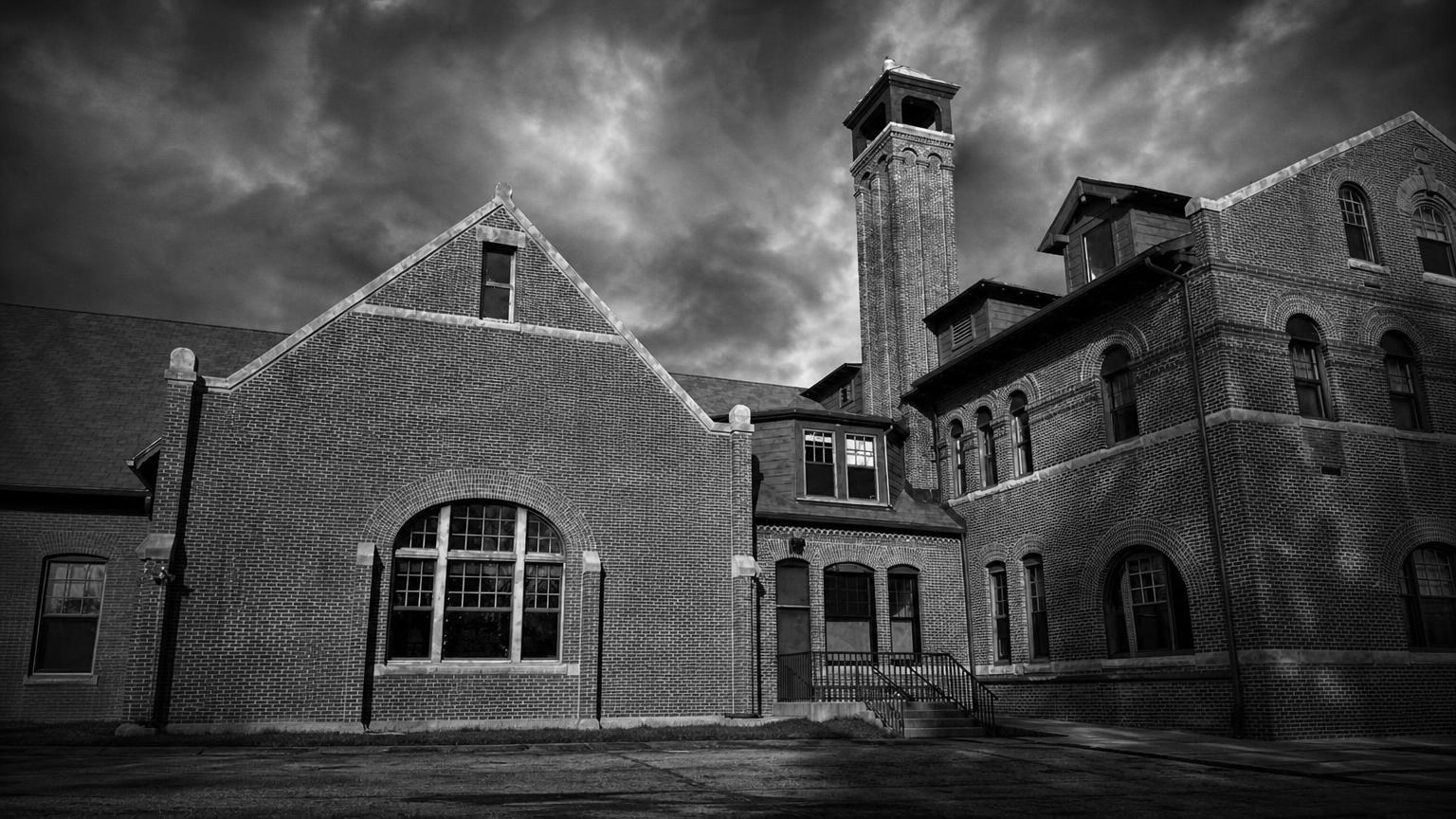
West Hills is a museum and civic setting, not simply a deserted orphanage awaiting exploration. The Orphanage Museum interprets the institution's 1886–1945 history, keeping the lives of its real children at the center of the account.
That setting matters. Calling the property abandoned changes what readers imagine and can obscure the work of preserving its history. The surviving institution is encountered through exhibits, a restored residence and grounds with a specific commemorative purpose.
Cottage 11 and the Lives Behind It
The museum's visitor guide places the main museum in Owatonna City Hall. It also identifies restored Cottage 11, built in 1923, as a former boys' residence.
These details offer something firmer than an atmospheric description: a building, a date and a documented use. They do not tell every child's story, but they provide a starting point for asking how children lived there. Museum records and personal testimony deserve priority over an imagined scene supplied to make the cottage feel eerie.
A Cemetery Restored to Names
The same guide describes the children's cemetery and a community effort to provide named markers. The significance lies in remembrance: identifying children as individuals rather than leaving them as an anonymous part of an institutional past.
Nothing about that effort establishes a supernatural explanation for the grounds. A cemetery can be emotionally powerful without serving as evidence of an apparition. Here, the act of naming belongs first to the children whose lives are being commemorated.
Where the Lily Story Loses Its Footing
An earlier account told of a child named Lily dying during a harsh winter and claimed investigators had documented her presence. It supplied no identifiable record, witness or investigation to support that narrative.
Those omissions prevent the story from being presented as either documented biography or an attributable encounter. This account therefore assigns neither a death nor a haunting to Lily. A precise name can make folklore feel anchored to history even when the connection has not been established.
Ghostly Children and Missing Testimony
Stories of ghostly children belong to the supernatural tradition surrounding West Hills. They should remain distinct from the museum's documented children. In the unsupported Lily account, there is no identifiable witness testimony for readers to assess.
That leaves the alleged investigation unavailable for scrutiny as well. Without its source, readers cannot examine what was observed or how a paranormal interpretation was reached. Uncertainty is part of this story, not a gap to fill with invented details.
Leaving West Hills With the Right Names
Use the museum's current visitor information for the exhibits, cottage and grounds. An old description of a vacant, crumbling building does not establish permission for after-hours exploration.
Voorhees Hall's Helen Roberts story offers a revealing comparison: a college account identifies the person and memorial behind a later legend. At West Hills, the named markers suggest the responsibility just as clearly. The children deserve histories grounded in records, not biographies created for ghosts.
How could a visit to West Hills’s exhibits and named memorials change the way its stories about children are passed on?