The most consequential detail in Trenton Psychiatric Hospital's ghost story is easy to lose behind tales of screams and unseen footsteps: this is an active treatment facility. Its history reaches back to 1848, but its role in psychiatric care is not simply a vanished past waiting to become a haunting narrative.
The institution's documented origins, the experiences of its patients and the paranormal stories circulated about its rooms deserve distinct treatment. Age alone cannot bridge the gaps between them.
May 1848 and a Reformer's Influence
New Jersey's 160th-anniversary announcement dates the hospital's opening to May 15, 1848, and connects its founding to Dorothea Dix's reform work. That is a specific historical foundation for understanding the institution.
It places Trenton within the history of public psychiatric care. The anniversary account establishes an opening date and a reform connection; those facts do not authenticate a later voice, footstep or supposed presence. Historical context gives the place depth without supplying a supernatural explanation.
An Operating Hospital Behind the Image
The Department of Health's hospital directory lists Trenton among New Jersey's inpatient psychiatric hospitals. Presenting the entire institution as an abandoned attraction would erase that essential part of its identity.
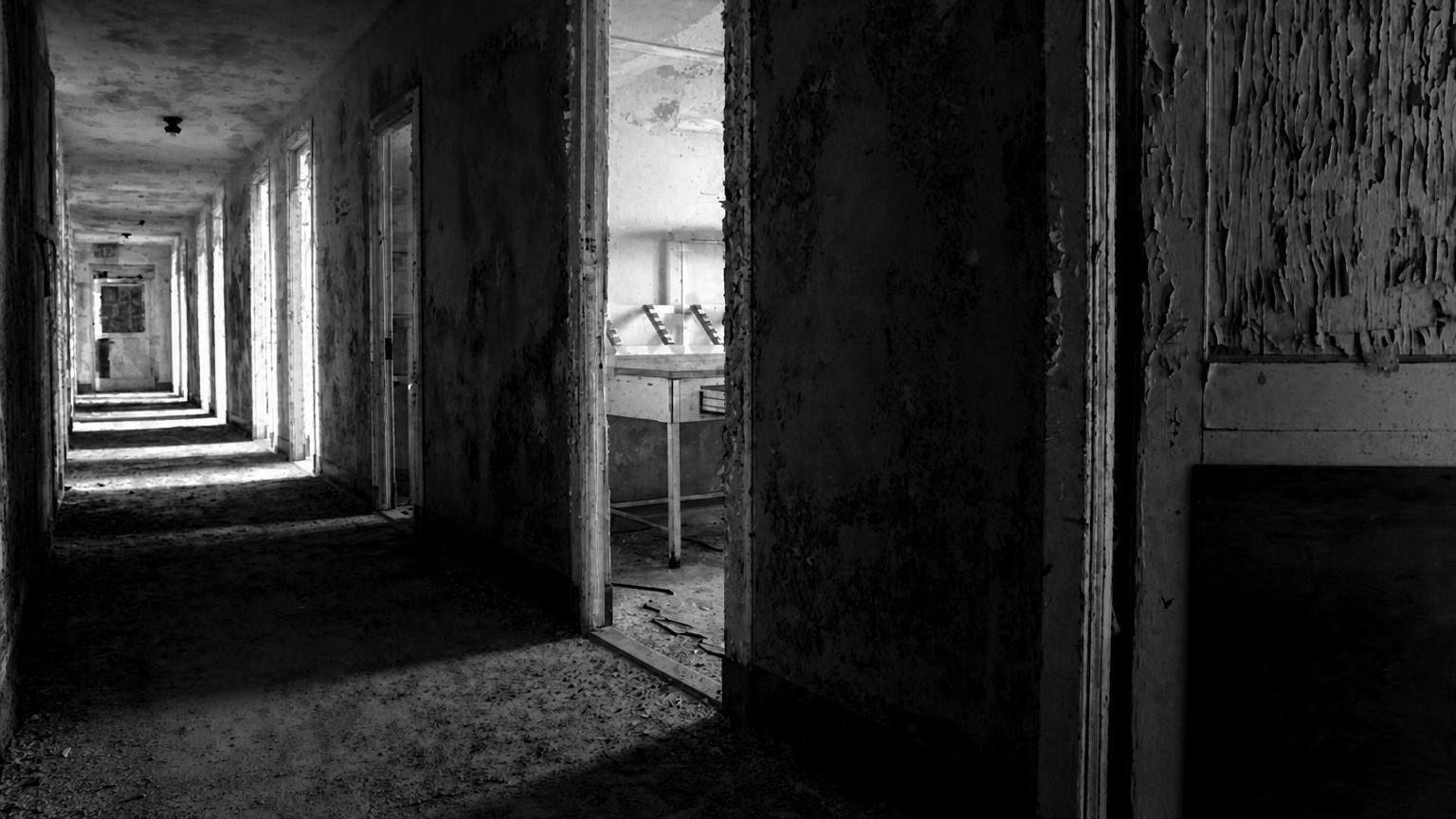
A photograph of deterioration in a particular room, even when correctly identified, cannot establish that the whole hospital has closed. A room and an institution are different scales of evidence. The distinction matters especially when an evocative image becomes the starting point for a story about empty corridors.
Screams and Footsteps in the Earlier Account
The previous archive story described screams, unseen footsteps, a nurse hearing a child and investigators recording voices. Those assertions supplied the haunting narrative with apparent human encounters, but no identifiable witness, dated investigation or original recording accompanied them.
They therefore remain unverified claims in an archive account. Readers cannot reconstruct the circumstances, examine the recordings or determine how closely the retelling reflects an original observation. Repeating the details with greater atmosphere would not resolve those missing foundations.
A Voice Without an Attributable Witness
An account that names a role, such as a nurse or investigator, may sound specific while still withholding the information needed to evaluate it. Here, those descriptions do not lead to an attributable statement or a documented investigation.
A stronger report would allow the observation to be considered separately from its interpretation. Hearing something and identifying it as a spirit are different claims. The cited material does not provide the underlying evidence needed to move from one to the other.
Patient History Is Not a Ghost-Story Explanation
Patients' experiences should not become invented details used to explain alleged spirits. The hospital's long history does not authorize a storyteller to supply suffering, identities or motives that the sources have not established.
Historical allegations about treatments likewise require their own medical-history sources. They cannot be inserted as an assumed cause of a haunting. Keeping those subjects separate protects the integrity of both the institutional history and any future examination of an attributable paranormal account.
The Care Facility Beyond the Folklore
An operating hospital has obligations to patients and staff. Public historical information does not grant permission to enter care areas or conduct a ghost investigation; legitimate visits should follow the hospital's official visitor information.
For a different institutional story, read Willard Library's reported haunting within its own documented context. A library's public programming cannot be transferred to a hospital. Trenton's folklore remains unresolved, but its identity as a place of care is central to telling its story accurately.
How does Trenton’s continuing work as a treatment facility change the way you would approach its older ghost stories?