
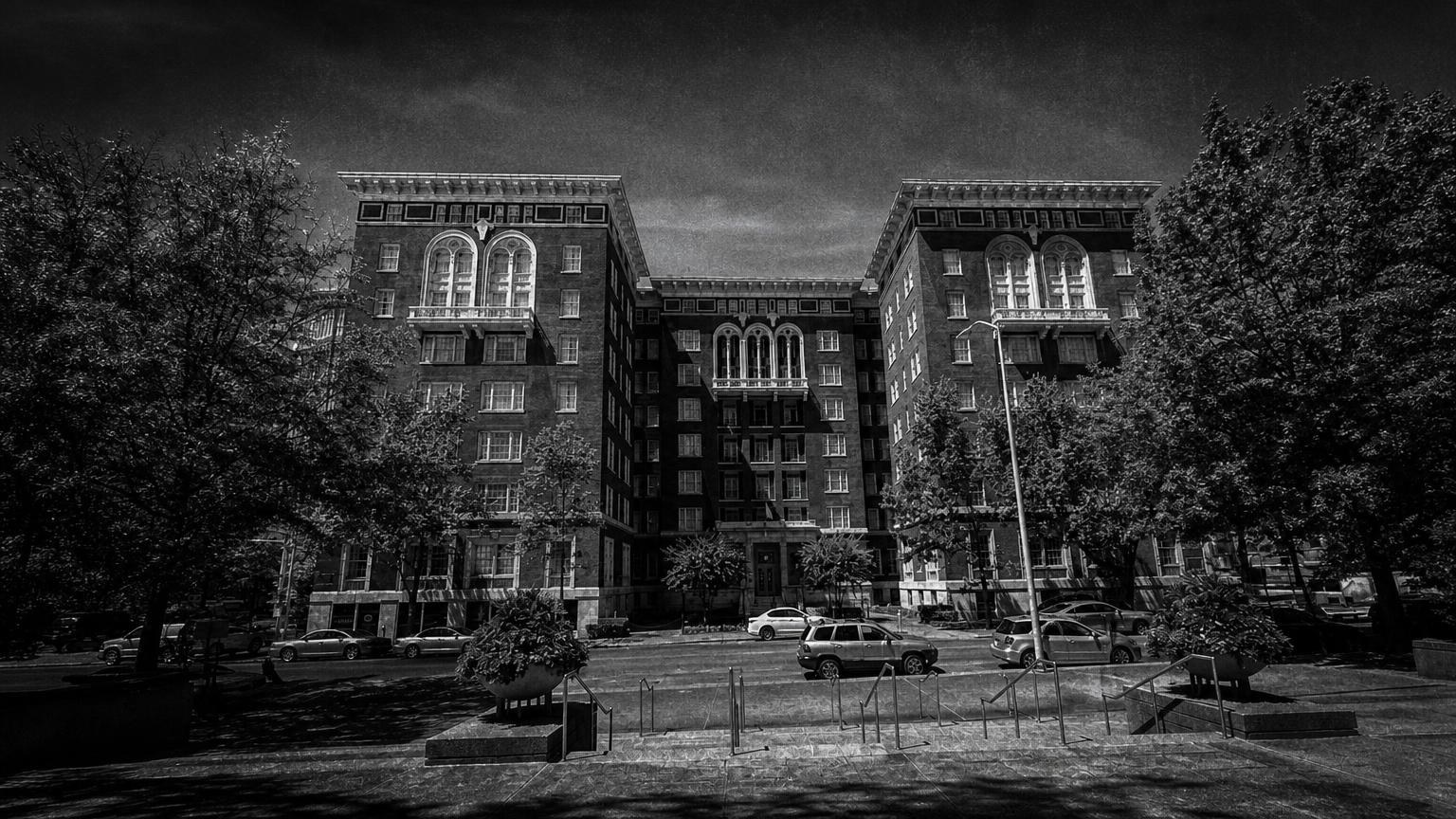
Before following a ghost through the Tutwiler Hotel, there is a more tangible mystery to untangle: which building does the story mean? Birmingham's Tutwiler name belongs to two different properties. The original opened in 1914 and was demolished in 1974; the later hotel occupies the restored Ridgeley Apartments building.
That break in the physical history matters. A familiar hotel name can carry a story forward even when the address and walls behind it have changed.
The Ambition Behind the First Tutwiler
Birmingham365's venue history describes Robert Jemison Jr.'s campaign to bring a major hotel to Birmingham, with financial backing from Major Edward Tutwiler. The project was intended to attract conventions and visitors to an industrial city.
That commercial ambition helps explain the hotel's scale and name. It also supplies a documented reason for Tutwiler's association with the property, without making him the source of every later story told under its roof.
An Investor, Two Architects and a Name
The venue account identifies Tutwiler as an investor, not the architect. It names W. L. Stoddard and W. Welton as architects and dates construction to 1913, before the hotel's 1914 opening.
These distinctions give the people involved their proper historical roles. Financial backing, architectural work and a name attached to a building are different connections. None, by itself, identifies the voice or figure described in a subsequent ghost story as a particular person.
Demolition and the Ridgeley Chapter
A 2001 Historic Hotels announcement distinguishes the demolished original hotel from the Ridgeley building restored as a hotel in 1986. The Tutwiler story therefore includes a discontinuity that a single uninterrupted hotel narrative would conceal.
The original building's demolition in 1974 and the later restoration belong to separate chapters. The survival of the name does not establish that an alleged apparition moved between them. Any encounter needs to be placed in the building and period to which its account actually refers.
Footsteps, Elevator Stops and a Commanding Voice
The earlier Paranormal Unknown account described footsteps, unexplained elevator stops and a commanding voice attributed to Major Tutwiler. It supplied no dated witness statements or recordings supporting those details.
These remain unverified hotel stories. Even within the narrative, an unusual sound and its identification as Tutwiler are distinct assertions. The investor's documented connection to the hotel's name cannot establish that attribution, and an unexplained elevator stop does not identify its own cause.
Which Tutwiler Did the Witness Mean?
A useful account would identify the building, the period and the person who observed the event. Those details would let readers distinguish an experience associated with the original hotel from a story attached to its later namesake.
Without them, repetition can preserve a legend while obscuring its setting. No ordinary cause is established for the alleged incidents in the supplied material, but that uncertainty does not settle a supernatural cause either. The first task is to recover the circumstances of a claim before attempting to explain it.
The Name That Outlived Its First Walls
Compare this naming history with the Stanley Hotel's connection to The Shining, where literary influence and paranormal claims also require separate treatment. For a visit to the Tutwiler, use the current hotel's arrangements; historical accounts do not establish access to particular guest areas.
Birmingham's Tutwiler story has a documented continuity of name and a documented change of building. The alleged continuing presence remains a different question—one that cannot be answered until the story has a clear place to stand.
How would you trace a Tutwiler encounter when the hotel’s name has survived a complete change of building?