
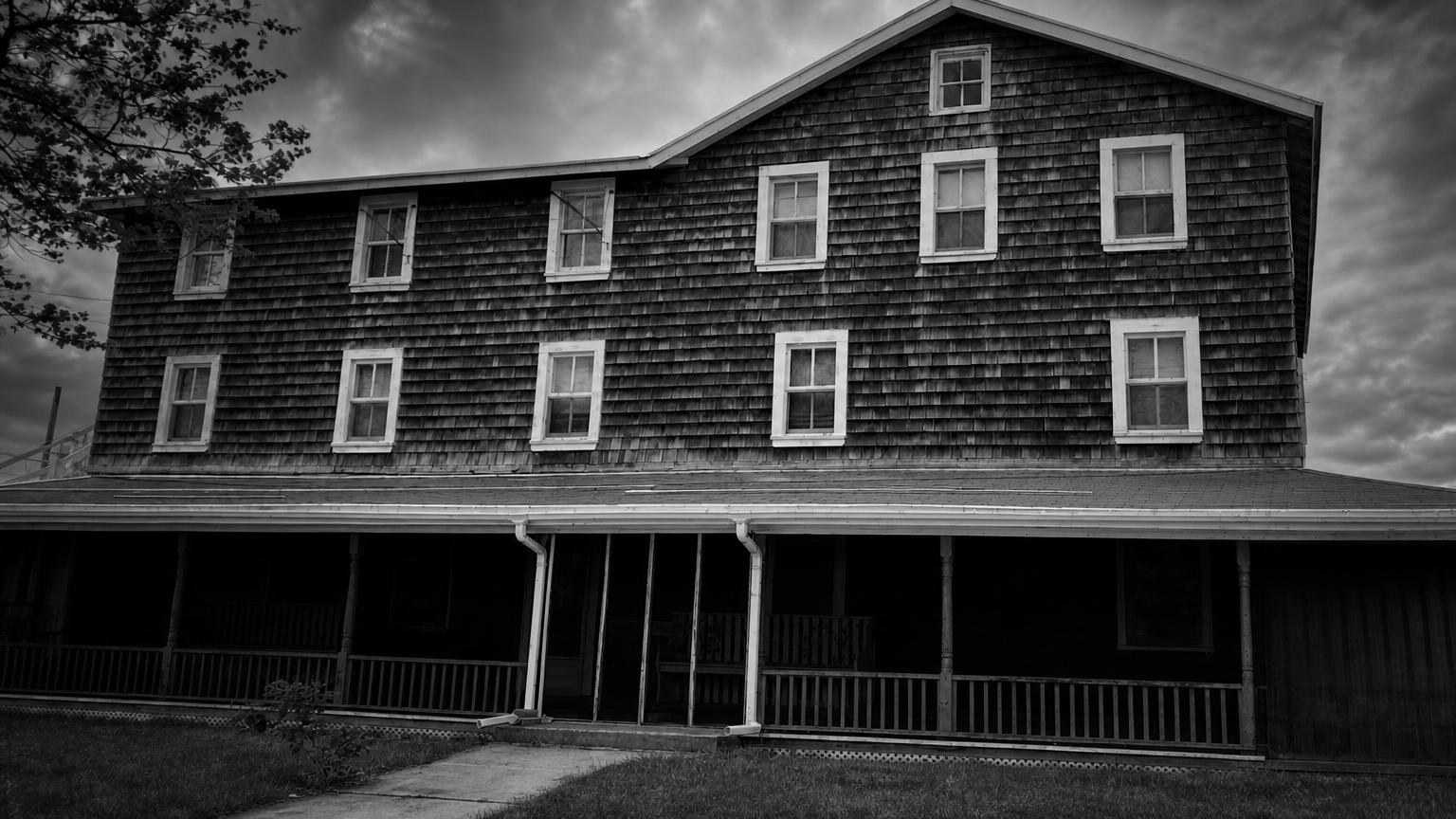
The Henry Hotel is in Ocean City, Maryland, not Delaware. Its significance lies in providing accommodation for African American visitors and entertainers during segregation. The earlier account's Room 213 haunting was unsupported by an identified witness or historical record.
What the Record Actually Shows About Henry's Hotel
The Maryland Historical Trust's assessment dates the building to about 1895 and records Charles T. and Louisa Henry's purchase in 1926. It identifies the property's role in serving African American tourists, workers and performers excluded from other accommodations.
The Henry Hotel Foundation describes preservation efforts and recalls entertainers associated with the hotel, including Cab Calloway, Duke Ellington and Count Basie.
Why the Hotel's Black Heritage Matters More Than the Legend
Describing the property only as a luxurious seaside retreat obscures the segregation that shaped its clientele and importance. Its modest physical form and community role are central to its history.
A heritage site should not lose that context because an archive story emphasized an unnamed apparition.
What the Haunting Claims Are Built On
The old account described cold areas, footsteps and a woman near Room 213. It did not establish the room designation, identify a guest or provide a dated report.
Those details are not verified conditions. A supposed presence near a bed cannot be connected to a particular former guest without evidence.
Why Old Haunted-Hotel Listings Can Mislead Visitors
The foundation presents a restoration project. Older descriptions of accommodation should not be used as current booking advice.
Historic use, present preservation and future plans need to be distinguished. The source materials reviewed here establish the building's heritage value, not an operating ghost-tour hotel.
How to Explore the History Without Losing the Facts
Consult the foundation for current public opportunities and project information. The story can be followed through preservation records and interpretation without assuming access to the building.
The most significant documented legacy is hospitality under segregation. For another Southern hotel where the historical record needs careful attention, read about St. James Hotel.
What stories of travel and hospitality under segregation would you want to hear from the Henry Hotel’s preservation work?