
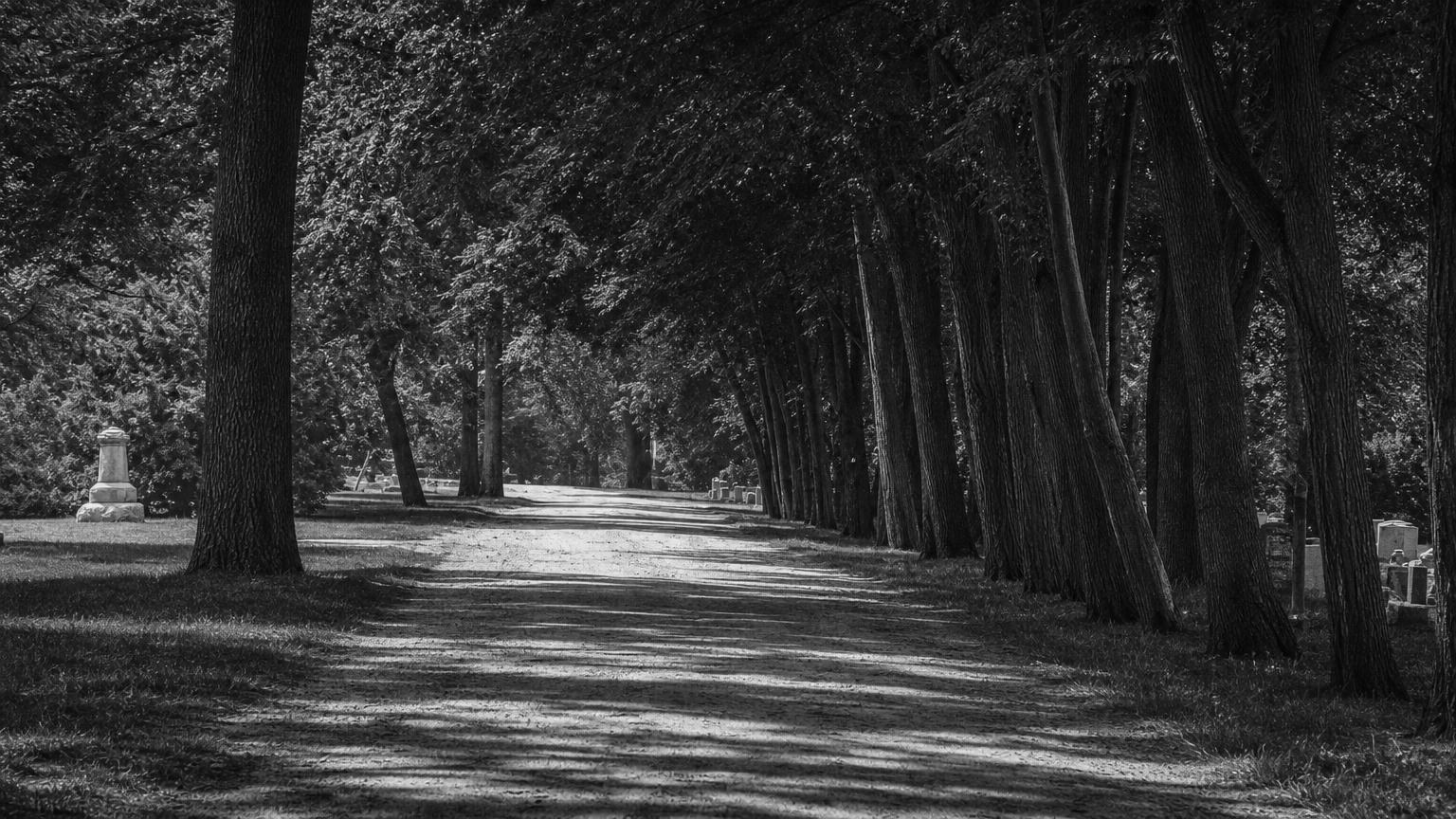
Riverside Cemetery in Fargo has a recorded burial dating to 1878 and was formally surveyed in 1879. Its civic history is documented by the cemetery association. Stories of a woman in white, mysterious voices and an unlit chapel in the earlier account lack identifiable supporting evidence.
How Did Riverside Cemetery Begin?
The Riverside Cemetery Association traces the land from the Northern Pacific Railroad to James Holes in 1875 and then to a group of local proprietors in 1878. Climena Lowell is identified as the first recorded burial, also in 1878. The cemetery was surveyed in May 1879 and incorporated in 1903.
Those are separate milestones, which explains why a single founding year can be misleading without context. The cemetery developed through land transactions, burials and formal organization.
Which Structures Belong to Its History?
An association brochure identifies two mausoleums, dating to 1921 and 1972, with a later addition to the second. These are documented features of the grounds.
The earlier account described a supposedly unused chapel without electricity and claimed staff avoided it at night. It did not identify the building precisely or provide a staff interview. Those details should not be repeated as verified conditions.
What Ghost Stories Are Actually Reported?
The earlier account mentioned a woman in white, voices near graves, shadows and lights. It attached some claims to named deceased residents without presenting testimony connecting those individuals to a specific event.
A person's burial establishes a place of remembrance, not the identity of a reported figure. Similarly, mist or an unusual shape in a photograph does not establish a spirit without examination of the original image and conditions.
Is There Evidence of Paranormal Activity?
The sources reviewed here support Riverside's history and facilities. They do not verify the archive's supernatural claims. A useful investigation would preserve original accounts, dates and recordings while considering visitors, lighting and environmental conditions.
Exploring Fargo’s Cemetery History
Follow the association's current visitor rules and respect funerals and private remembrance. Historic cemeteries can be studied through records and memorials without staging an after-hours search.
Continue exploring North Dakota's historic buildings with the Williston Old Armory story.
Which records or firsthand details could help identify the chapel described in Riverside Cemetery’s stories?