
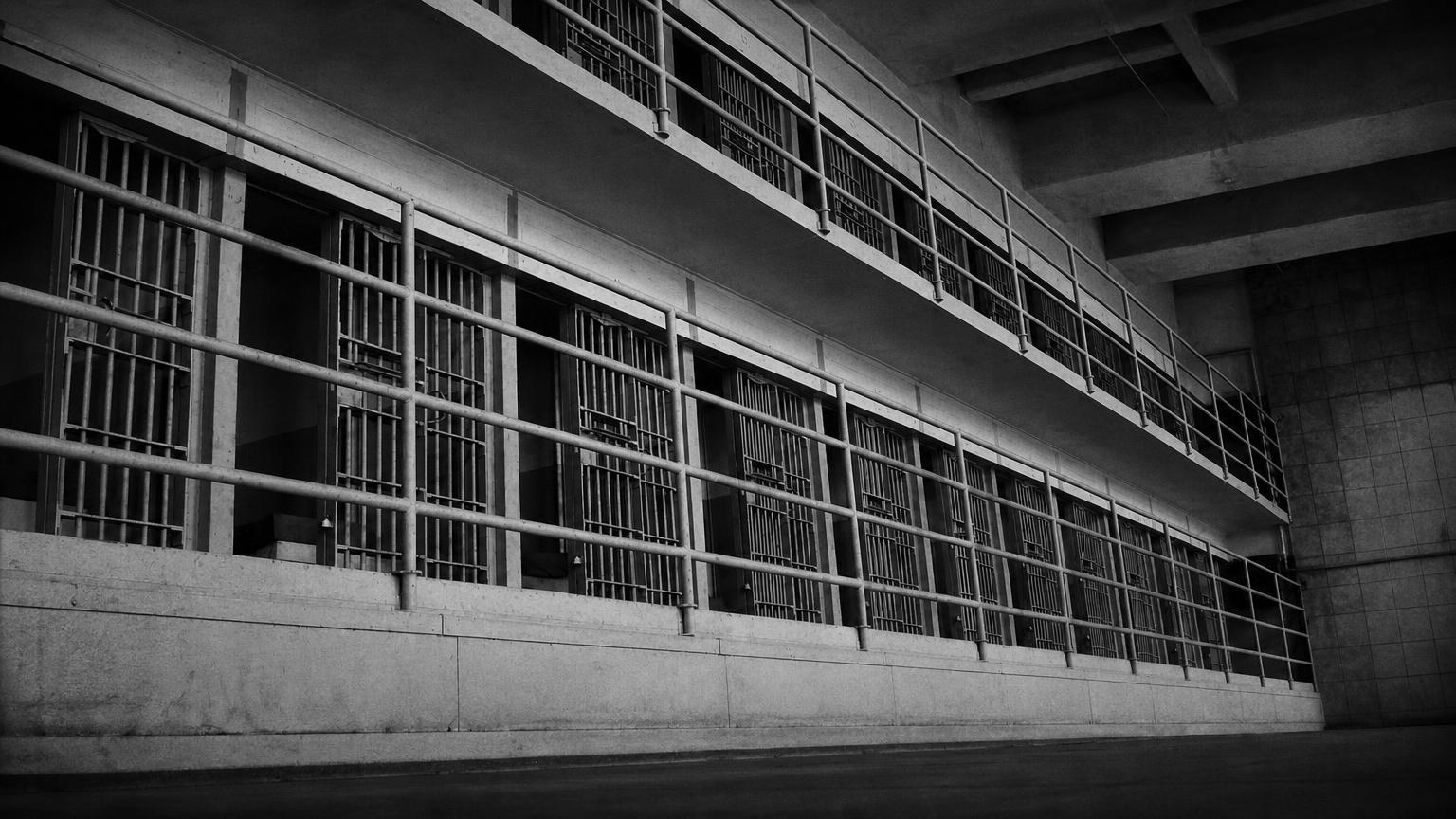
The former Maine State Prison in Thomaston opened in 1824 and was demolished in 2002 after prisoners moved to Warren. Descriptions of people exploring its abandoned cellblocks today confuse the old site with a building that no longer stands.
From Thomaston to Warren
Maine's state-government annual report documents the 1824 opening, the February 2002 transfer and demolition that June. It describes population growth and the aging facility as reasons for building the replacement prison.
The Maine Memory Network's Thomaston history provides context for the original prison's establishment and early arrivals.
The old Thomaston institution and the replacement in Warren must remain separate in any account. A modern experience at one location cannot simply be attached to the other's corridors.
What Happened to the Haunting Claims After Demolition?
The earlier account described voices, cell-door sounds, lights and shadow figures in abandoned halls. It did not identify dates or witnesses, and its present-tense setting conflicted with the demolition history.
A historical account recorded before demolition could still be examined as a report. It would need its original date and setting, rather than an invitation to explore vanished rooms.
Identifying a Claimed Spirit
Naming a former prisoner as the cause of an unsettling feeling requires evidence beyond that person's incarceration. Neither a known death nor a notorious biography establishes a paranormal identity.
Explore more Maine stories or compare the surviving historic prison context at Deer Lodge.
The documented history and the later haunting claims answer different questions. Keeping them separate preserves the people and events in the record without turning an unresolved report into proof of a supernatural cause.
What would you ask a teller of a Thomaston cellblock encounter to establish when—and in which prison—the experience supposedly happened?