
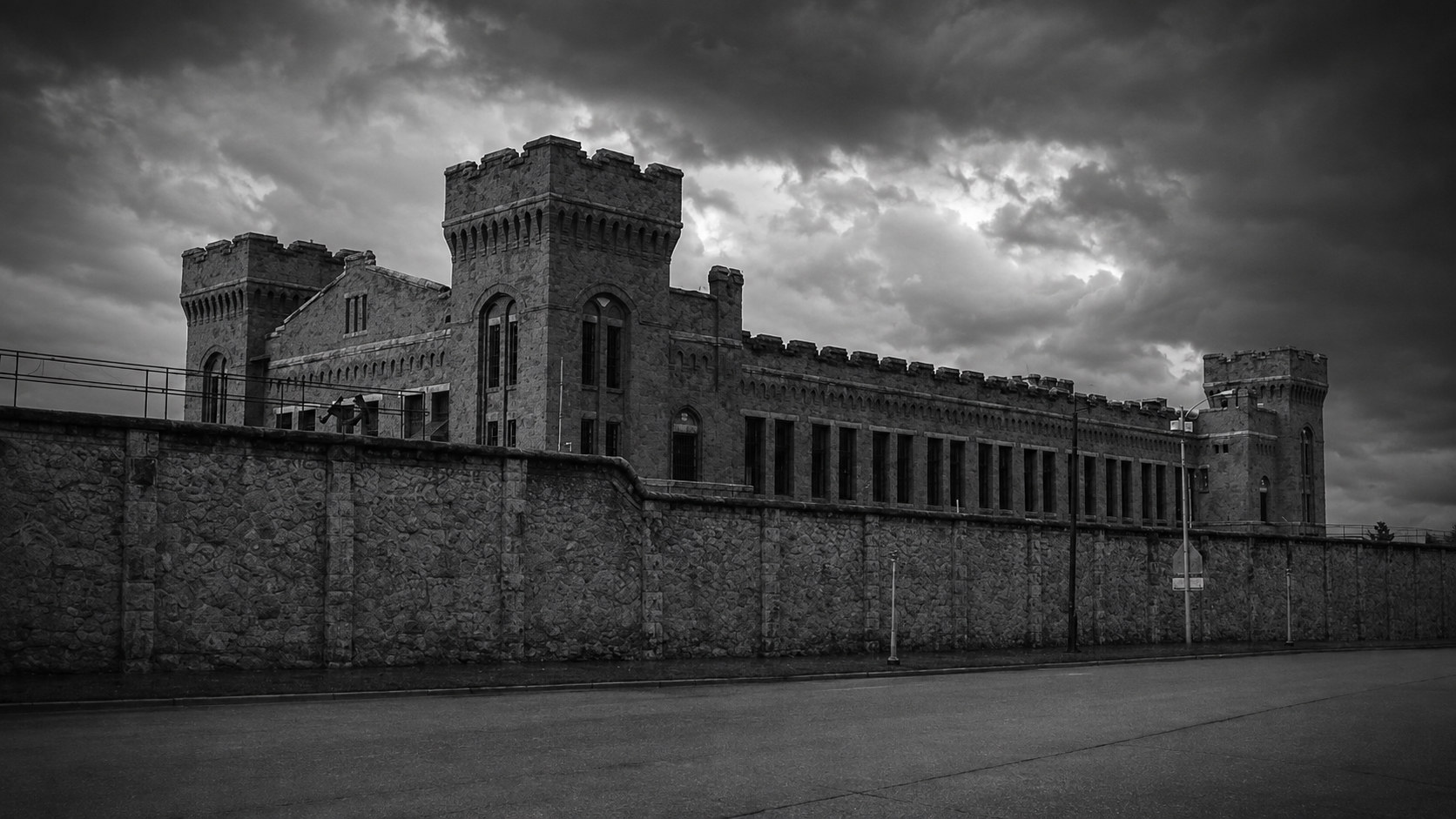
The Old Montana Prison in Deer Lodge is a historic prison museum with a haunted reputation. Its history of incarceration is real; claims of voices, footsteps and shadowy figures remain reported experiences. The suffering associated with a prison should not be treated as automatic evidence of a haunting.
The prison’s documented beginnings
The Powell County Museum and Arts Foundation dates the prison’s opening to July 2, 1871. Its historical interpretation provides a firmer starting point than accounts that compress different periods, cellblocks and incidents into one undated horror story.
The foundation’s anniversary account places the institution within a long local history. When evaluating a specific story, identify the period and the part of the complex involved. Buildings and prison practices can change over time; an event from one chapter should not be assigned to every room a visitor sees.
Ghost reports are a separate kind of record
Accounts associated with the prison describe unusual sounds, apparent movement and a sense of being watched. A report may be sincere while its explanation remains uncertain. Without an identifiable witness, date and original record, it is difficult to distinguish a particular encounter from a story refined through retelling.
Claims that an apparition is a named prisoner or employee require additional support. A resemblance, suggested name or location alone cannot establish identity. Similarly, a real historical death does not prove that later sounds are connected with that person.
What an Investigation Can and Cannot Show
An investigation is most useful when it documents where participants stood, what equipment was operating and what the original recording contains. An audio interpretation should be presented as an interpretation, especially if listeners were told what to hear before listening. Unknown sounds should remain unknown when the recording does not resolve them.
The prison’s history concerns real people and institutions, not only a dramatic setting. Keeping historical records, witness reports and investigative interpretations distinct allows the reader to consider each without turning one into proof of another.
Use the museum’s own historical material to orient a visit and evaluate individual claims on their available evidence. Discover related locations through the Montana archive.
How might hearing an Old Montana Prison recording before being told its supposed words change your interpretation of it?