
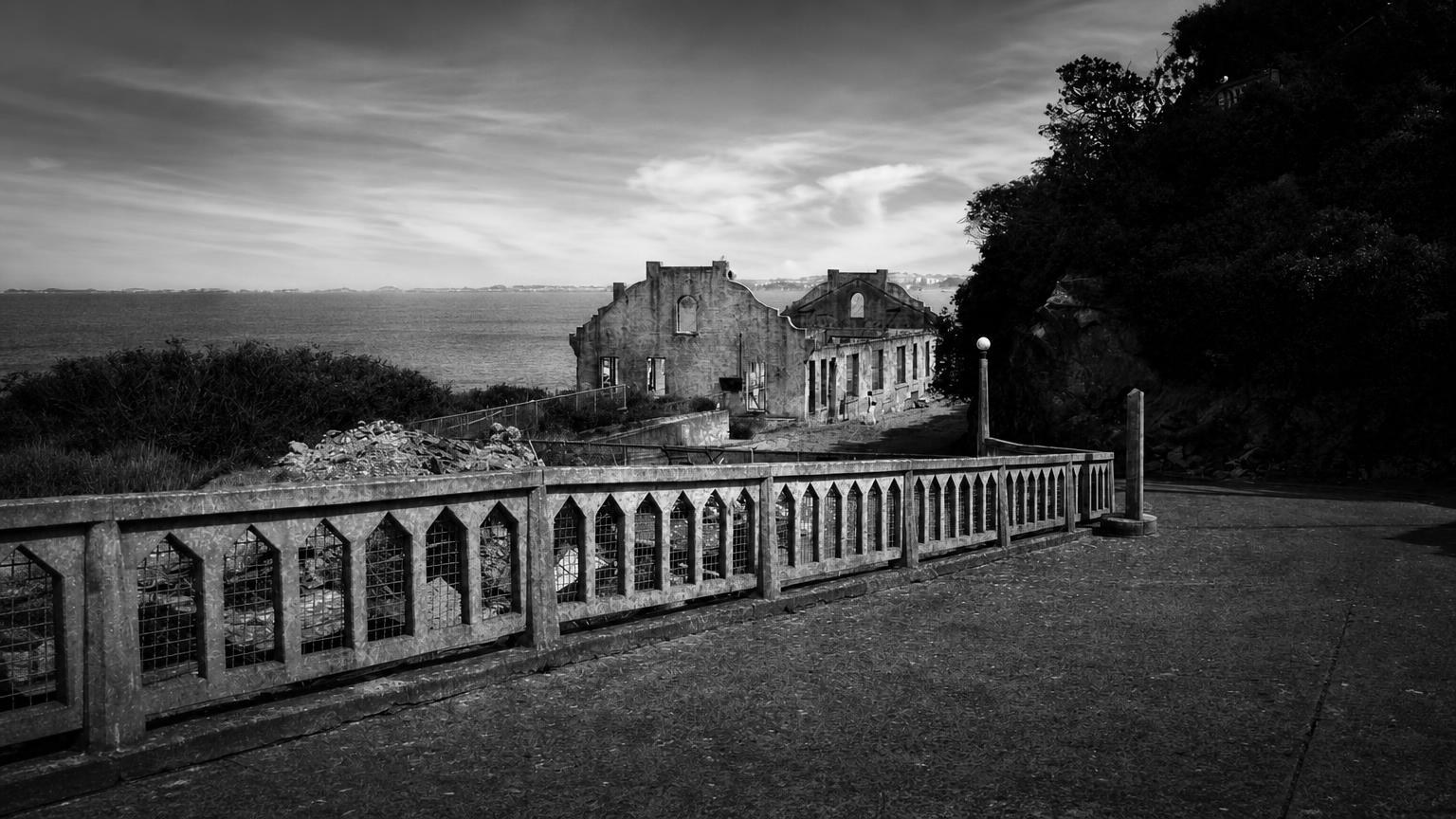
Few places arrive with as much built-in atmosphere as Alcatraz. The island prison operated as a federal penitentiary from 1934 to 1963 after earlier military uses, and its isolation, famous inmates and escape stories have made it an obvious home for later tales of voices, apparitions and uneasy cellblocks. The history is dramatic enough on its own. The paranormal reputation begins where the records stop.
The Rock Was Designed to Be Hard to Leave
The National Park Service explains that federal officials wanted a high-security institution for prisoners considered difficult to confine elsewhere. The island's physical separation from San Francisco was central to that purpose.
That mission is more precise than the popular image of Alcatraz as a prison created simply to collect every notorious criminal of its era. It was a particular federal response to security and custody problems, built around isolation, control and the practical difficulty of escape.
Fourteen Escape Attempts, Thirty-Six Men and a Lot of Myth
The Federal Bureau of Prisons records fourteen escape attempts involving thirty-six men during the federal-prison years, with two men making two attempts. That is a remarkable history, but the numbers need to stay attached to what they actually mean.
An escape attempt is not the same thing as a successful escape, and an uncertain fate is not the same thing as a documented death. Those distinctions matter when a later ghost story tries to identify an apparition as a prisoner supposedly killed during an escape. Before the paranormal claim can be evaluated, the historical premise has to be right.
The Bureau of Prisons also points to the high cost of supplying and maintaining an institution on an isolated island — another reason the prison's story is about more than bars and famous names.
Voices in the Cells and the Names Everyone Recognizes
Alcatraz's haunted reputation often centers on reports of voices, strange sensations and activity in cell areas. Earlier accounts also repeated an encounter attributed to Al Capone. The sources reviewed here do not provide original testimony that would allow those claims to be checked.
A famous inmate's documented presence on the island does not authenticate a later experience told in that person's name. If someone hears a voice in a cellblock, there are two separate questions: what did the witness actually hear, and why did someone later decide the voice belonged to a specific prisoner? The second question requires evidence the first one cannot supply.
A Prison's History Can Create Its Own Haunted Atmosphere
Alcatraz was designed around confinement, isolation and strict control. Visitors already know they are walking through a place associated with punishment, attempted escapes and people whose names have become part of American crime mythology. That context can make a sound, a cold area or a fleeting impression feel loaded with meaning.
That does not make a witness dishonest, and it does not settle the explanation. It is one reason a strong paranormal account should preserve the circumstances of an experience rather than jumping directly from sensation to spirit.
The Island Has More Than One Story
The federal penitentiary is only part of Alcatraz's history. The National Park Service cultural landscape account also addresses the island's military and later public-land history. Treating the island only as a haunted prison leaves out much of the place visitors are actually standing in.
The most compelling version of Alcatraz is therefore not a verdict about ghosts. It is a documented historic landscape with a powerful prison legacy and a paranormal reputation that still depends on the quality of individual reports.
Explore California stories or compare the distinction between prison records and haunting reports at Fort Delaware.
What changes when you read an Alcatraz haunting story alongside the island’s military and later public-land history?