
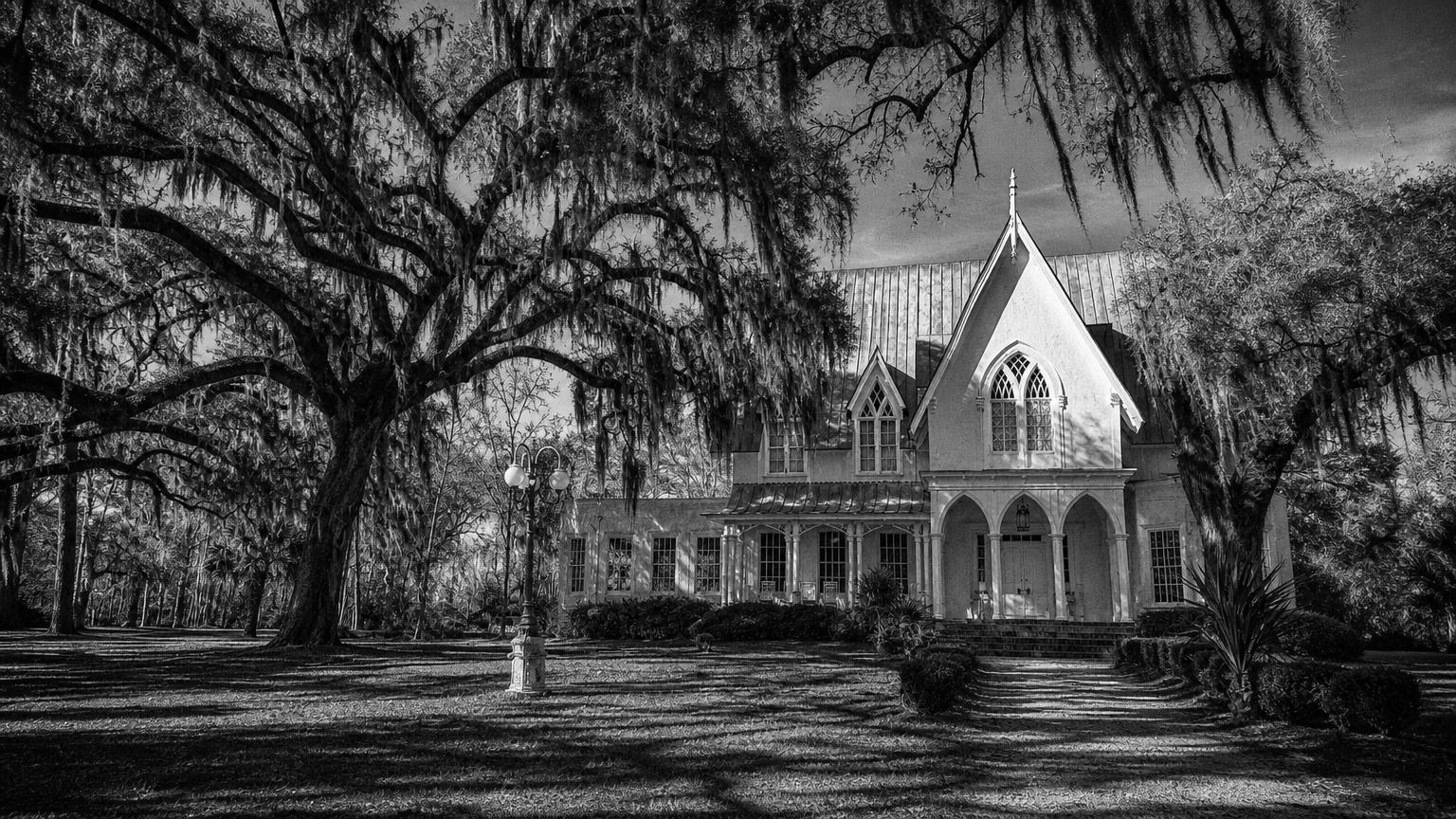
Rose Hill Plantation State Historic Site near Union, South Carolina, preserves the history of the Gist family and the people they enslaved. Its significance includes emancipation and Reconstruction, subjects that should not disappear behind anonymous ghost stories.
The people who lived and worked at Rose Hill
South Carolina State Parks records as many as 178 people enslaved at Rose Hill in 1860. Their labor sustained the plantation, including agricultural work, skilled trades and household work.
William Henry Gist, a former South Carolina governor, supported secession. The end of the Civil War brought freedom to those he enslaved. Some left; others remained as tenant farmers. Vardy and Clayborn Gist registered to vote and enrolled in the state militia.
These documented lives are essential to the site's history, rather than background scenery for accounts about the mansion.
Reconstruction changed the meaning of the place
The National Park Service places Rose Hill within the Reconstruction Era National Historic Network. Its interpretation includes the communities formerly enslaved people built and the racial violence that threatened their new freedoms.
Surviving buildings and tenant-house remains therefore speak to different experiences of the same landscape. Reading the site only through the plantation owner's biography leaves much of that history out.
What the Haunting Claims Are Built On
The earlier article described a woman in period clothing and a Confederate soldier without identifying witnesses or original evidence. It speculated about the woman's identity and a soldier dying on the grounds.
Those claims remain unverified. Historical people should not be identified as apparitions simply because they are associated with a property.
Keeping the location clear
This Rose Hill is the Gist plantation near Union. It should not be confused with similarly named properties elsewhere.
Explore South Carolina stories or compare the separation of historical records and haunting claims at Rhodes Hall.
Which part of Rose Hill’s history of enslavement, emancipation or Reconstruction would you want a ghost-story retelling to keep visible?