
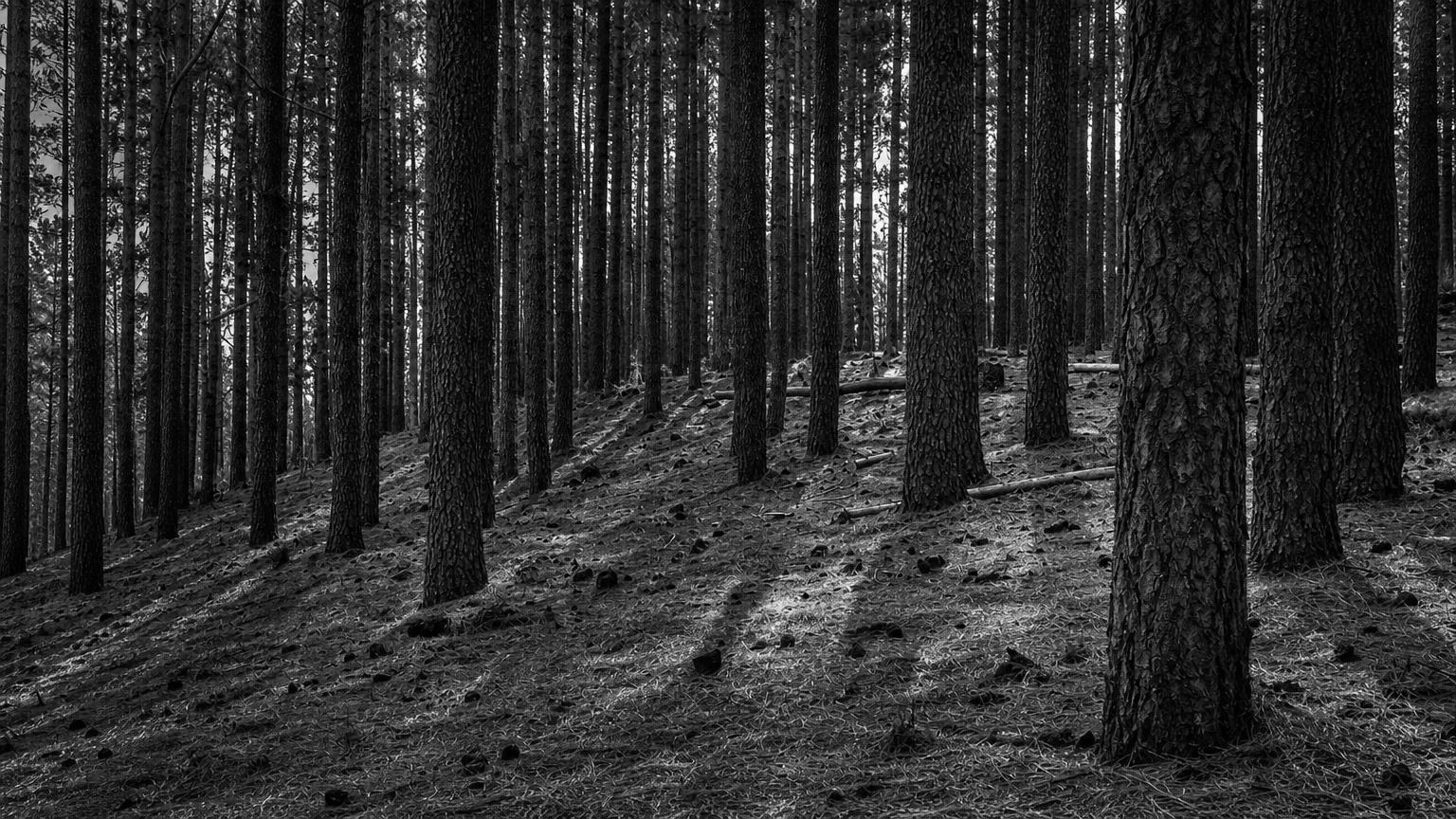
Boy Scout Lane near Stevens Point, Wisconsin, has one of those legends that sounds as though it should have left a paper trail: an entire scout troop supposedly vanished during a camping trip. Yet the local tourism bureau treats the disappearance as folklore and says no such event was reported. That gap between a vivid story and the missing historical evidence is the real mystery of Boy Scout Lane.
The Road Name Came Before the Ghost Story Took Over
Retellings often begin with scouts disappearing somewhere along the road and then add lantern lights, footsteps, children's voices or other signs of the missing troop. Different versions give different explanations for what supposedly happened.
The Stevens Point Area tourism bureau offers a much less dramatic origin for the name: land was purchased for a proposed Boy Scout camp that was never developed. Its account explicitly notes the absence of a reported troop disappearance.
That does not prove no one has ever experienced something strange on the road. It does mean the road's name should not be treated as evidence that children died there.
A Missing Troop Should Have Left More Than a Legend
The disappearance of an entire group of children would be a major event. Names, families, searches, newspaper reporting and official records would normally be expected to exist somewhere in the historical record. The earlier account did not provide any of those things.
Instead, the story changes from retelling to retelling. Some versions describe a lost troop, while others add a killer or fatal accident. Each new detail makes the legend more frightening, but it also creates a new claim that needs independent support.
Lantern Lights Are an Observation; “Scouts” Is an Interpretation
One recurring motif is a light seen along the road and interpreted as a scout's lantern. That interpretation depends on the disappearance story already being true. Without that historical foundation, the report is simply a light whose source the observer may not have identified.
The same distinction applies to voices or footsteps. A witness can honestly report hearing something while being uncertain about what caused it. Saying “I heard footsteps” preserves the observation. Saying “the missing scouts were walking beside me” adds an explanation the sound alone cannot provide.
Why Changing Versions Matter
Folklore is allowed to change. That is part of how local legends survive. The problem begins when a changing legend is presented as though it were a stable historical record. If one version has no murderer and another suddenly does, the added detail should not be treated as a fact unless a source supports it.
Boy Scout Lane is therefore a good example of why paranormal storytelling benefits from labeling folklore clearly. The legend can still be eerie without inventing victims or turning an unverified event into local history.
What Would Actually Strengthen the Story?
A historical investigation would look for contemporary newspaper coverage, law-enforcement records, scouting records or identifiable families connected to the alleged disappearance. A paranormal investigation would separately need dated witness reports, exact locations and original recordings or images.
Those are different questions. Proving that someone saw a strange light would not prove a troop disappeared, and finding a historical reference to scouting activity would not prove a ghostly encounter.
A Haunted Road Is Not Automatic Public Access
Online directions and ghost-story maps should not be treated as permission to enter private land or surrounding property. The tourism bureau's context is a better starting point than a paranormal list that assumes every road shoulder or wooded area is open for exploration.
Boy Scout Lane remains a strong Wisconsin legend because the story has endured despite the lack of evidence for its central tragedy. Preserving that distinction lets the folklore stay spooky without turning it into a false missing-person case.
Explore Wisconsin stories or compare another account where a local legend needs separation from historical evidence at the Bel Aire water tower.
Why do you think Boy Scout Lane’s disappearance story has endured without the records such a loss would normally leave?