
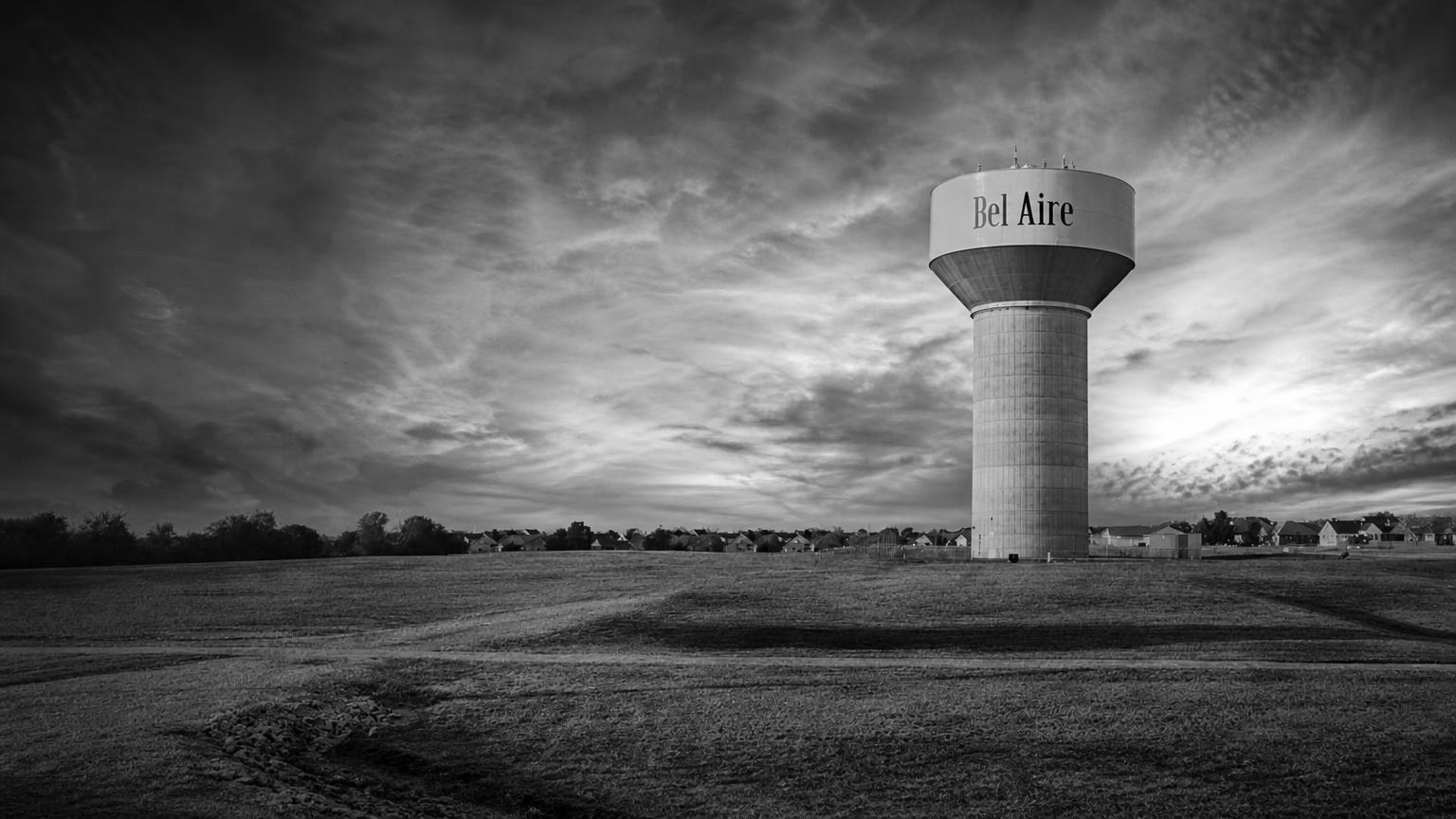
The Bel Aire water tower near Wichita, Kansas, has a grim local legend attached to it: a worker supposedly died during construction and was somehow left inside the structure. It is the kind of story that spreads because the image is hard to forget. The problem is that the published account reviewed here presents the tale as a rumor, not as a documented construction accident.
The Legend Starts With a Construction Story
Wichita State University's student newspaper, The Sunflower, included the water tower in a regional folklore roundup. Its account describes an alleged construction accident and later stories about knocking coming from inside the structure.
That source is useful because it shows the legend circulating in the Wichita area. It does not function as an accident report, construction record or named witness interview confirming that a worker died inside the tower. The difference between documenting a rumor and documenting the event behind the rumor is the central issue here.
The Most Dramatic Details Are Also the Least Secure
Earlier accounts added a 1950s construction date, a security guard encounter in the 1970s and a later story about teenagers seeing red eyes. The reviewed folklore source does not substantiate those details.
Specific dates and named decades make a legend sound researched, even when the underlying source is missing. Rather than repeat those additions until they harden into local “history,” this account keeps them outside the factual timeline unless supporting documentation can be found.
A Water Tower Has a Practical History Too
Bel Aire's municipal material treats water towers as part of the city's water infrastructure. The city's Water Department budget provides that practical context, including maintenance work. It does not corroborate the alleged fatal accident.
That may sound less dramatic than a ghost story, but it matters. The physical structure is real, and its maintenance, access and operation belong to a documented municipal system. Any paranormal claim has to fit around that reality rather than replace it.
What About the Knocking?
The legend's most memorable paranormal element is the idea of knocking coming from inside the tower. Without an identifiable witness account, recording or environmental information, there is no responsible way to say what produced a particular sound — or even whether the story traces back to a single documented incident.
Large metal structures can carry and amplify sound in surprising ways, and water infrastructure has its own mechanical behavior. Those possibilities do not prove that every reported knock has an ordinary explanation. They are reasons the sound itself would need to be documented before anyone assigns it to a deceased worker.
A Rumor Should Not Create a Victim
The most important boundary in this story is the alleged death. Naming or describing a real worker requires evidence that the person existed, worked on the project and died in the way the legend claims. No such record is established by the material reviewed here.
That means the responsible version of the story is not “a worker is trapped in the tower.” It is “a local legend says a worker died during construction.” The wording keeps the folklore intact without manufacturing a historical victim.
How the Story Could Be Investigated
A stronger historical investigation would begin with construction contracts, municipal records and contemporary newspaper reporting. If a fatal accident occurred, records from the period might establish a name, date and circumstances. A paranormal investigation would be a separate step, requiring specific witness accounts or recordings tied to a particular time and location.
Until then, the Bel Aire water tower remains a real piece of city infrastructure with a memorable Kansas ghost legend attached to it — a story worth preserving as folklore without pretending the rumor has already been proven.
Continue through Kansas locations or read the documented banking history behind the Bank of Ellinwood.
Where would you begin looking for a name and date behind Bel Aire’s construction-worker legend, and what would you make of gaps in that record?