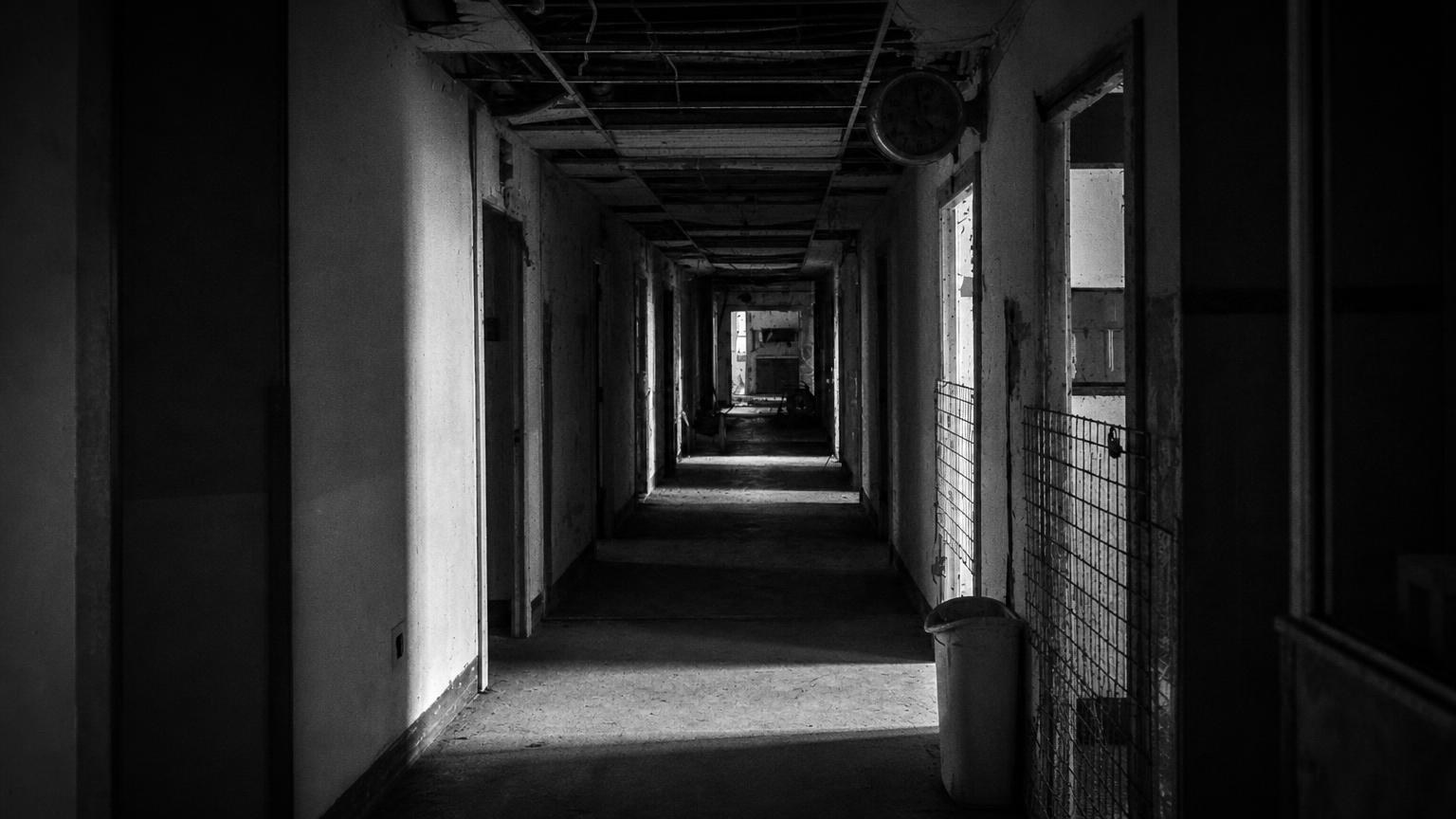
Before Yorktown Memorial Hospital became a setting for haunting reports, local fundraising helped bring a community hospital into being. That beginning is documented. The priest, nurse and children described in later ghost stories have no comparably established identities in the material presented here. The distance between those two kinds of history is central to understanding the Texas hospital.
A Community Project Beginning in 1946
The Felician heritage archive describes local fundraising beginning in 1946 and a request for sisters to operate the hospital. Yorktown Memorial opened in 1951 under the Felician Sisters.
Those details establish its origin as a community hospital. They also give the story a human starting point: an effort to provide medical care, followed by the work of operating the institution. A later claim about an addiction-treatment origin should not displace that documented account.
Nine Sisters at the Opening
The archive names Sister Mary Monica Peplinski as the first administrator and records nine sisters at opening. These are identifiable details of the hospital's institutional history, rather than identities inferred from an alleged encounter.
The distinction matters in a place whose paranormal stories invoke people associated with care and religious life. A documented administrator belongs in the historical account. Her name, or the presence of sisters, does not establish a connection to any reported apparition. Such a connection would require evidence of its own.
The Pressures Behind the 1986 Closure
The hospital closed in 1986. The Felician archive attributes closure to low occupancy, slow insurance reimbursements and difficulties obtaining medical-staff support.
These circumstances provide an institutional explanation for the end of hospital operations. Replacing them with a supernatural cause would erase the pressures the archive actually records. Closure is an important historical event here, but it is not evidence that the building's later ghost stories explain what happened to the hospital.
Where the Addiction-Facility Account Conflicts
Rachel Sheffler's 2020 guest article for Ghost Texas summarizes circulating haunting accounts. It is not a firsthand investigation report, and its assertion that the hospital began as an addiction facility conflicts with the Felician institutional account.
For the hospital's origin, the archive is the stronger source. The guest article can be read as an example of paranormal coverage without adopting its conflicting history. Separating those roles allows the later public story to remain visible without giving every repeated assertion equal authority.
Unnamed Figures Are Not Verified Occupants
The previous archive article described a priest, nurse and children as though their identities were established. Without attributable evidence connecting those figures to particular people, they remain stories rather than verified former occupants.
A role is not an identity, and a haunting account is not a biographical record. Similarly, an investigator can document an observation, recording or experience without establishing that a deceased patient or staff member caused it. Full source context is needed to distinguish an observation from the paranormal interpretation placed on it.
Following the Reports Back to Their Sources
Readers can explore published Ghost Texas features and follow their source links for firsthand context. A dramatic summary cannot substitute for the circumstances of an investigation or what its recordings actually contain.
This historical account also does not establish current visitor access; consult the property's current authorized arrangements before planning a visit. Yorktown's unanswered haunting claims need not obscure its documented beginning. The fundraising, named administrator and nine sisters at opening give the hospital a history that can stand without assigning identities to its ghosts.
What would you look for in a Ghost Texas investigation of Yorktown that a short description of a priest or nurse apparition cannot convey?