A plate reportedly spinning during a meal is a vivid starting point for a restaurant ghost story. At Windham Restaurant in New Hampshire, that account has an identifiable witness. What it does not have is a documented examination that settles its cause. The house's history is more traceable, though even that has acquired a disputed governor connection.
The House Behind the Dining Room
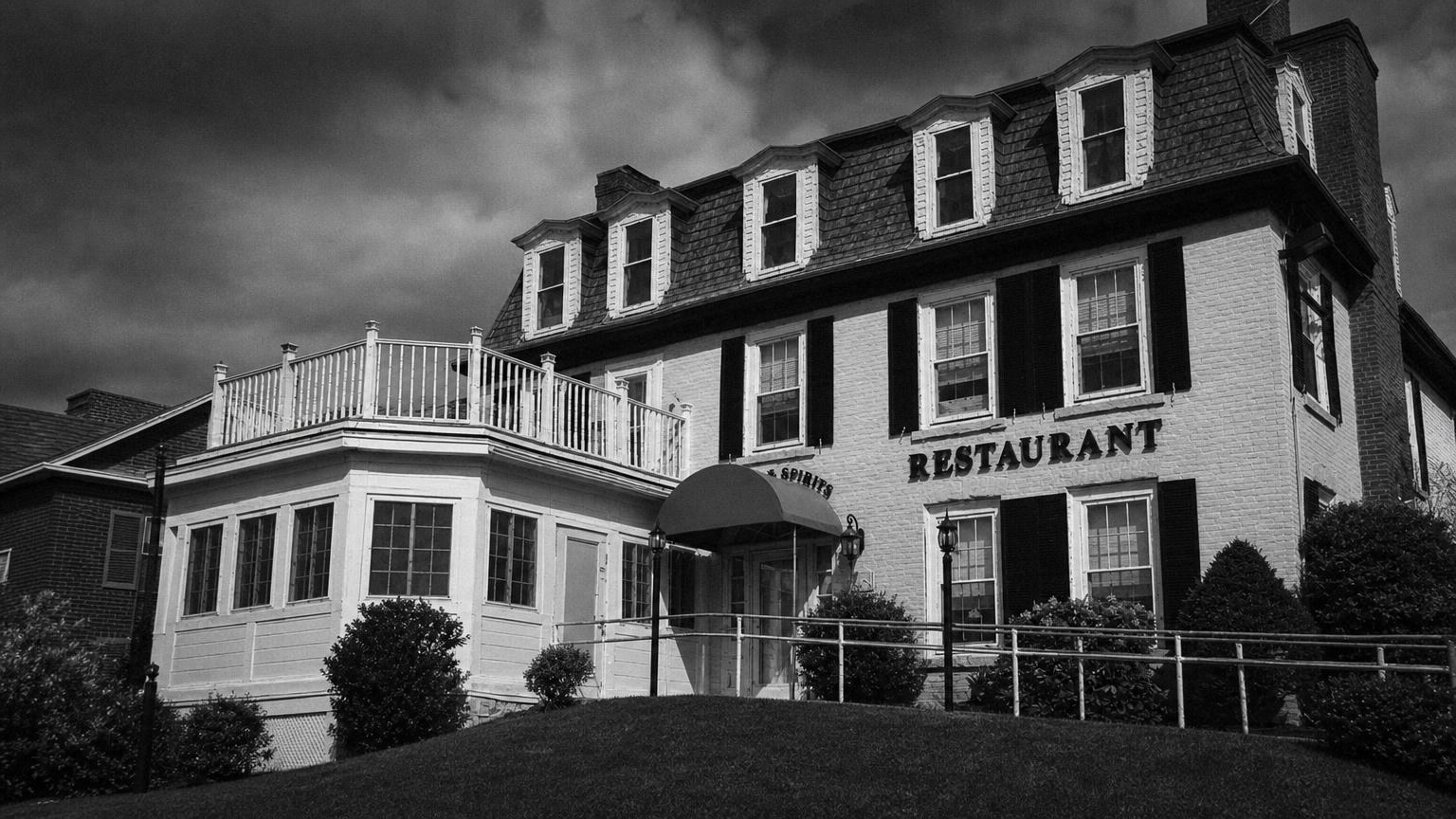
The restaurant's history dates the standing house to 1812. Local historian Brad Dinsmore's Dinsmoor-Park House account identifies Isaac Dinsmoor's family, later Park ownership and alterations associated with Edward Searles.
This ownership trail offers a concrete way into the building's past. It connects the house to named people and changes without requiring the haunting stories to explain its significance. The historical setting and the reported disturbances can be considered together while remaining separate kinds of claims.
The Governor Connection Needs More Than a Name
A repeated assertion that Governor Samuel Dinsmoor lived in the house is not treated as settled here. Dinsmore's local account supplies a more specific history than that unsupported connection.
A prominent name can lend authority to a building's story, but repetition does not establish residence. Readers should keep the distinction between Isaac Dinsmoor's family, identified in the local history, and the separate governor claim. Resolving uncertainty by blending those accounts would make the narrative smoother at the expense of accuracy.
Glasses and Missing Money in the 2014 Account
New Hampshire Magazine's 2014 feature attributes stories to then-operators Lula and Vess Liakas and investigator Leo Monfet. Its examples include glasses reportedly moving and missing money.
The feature provides attribution and a publication date, which help readers understand where these accounts enter the public story. It records what people said; it does not independently establish what caused the incidents. An investigator's involvement also does not, by itself, resolve a supernatural explanation.
The Plate That Dinsmore Describes
Dinsmore recounts witnessing a plate spin during a meal. Unlike a story passed along without a named observer, this is identifiable firsthand testimony. That gives readers a clearer source for the reported experience.
It remains testimony, however, without a documented examination of the table, plate and surrounding conditions. The distinction is useful rather than dismissive: a person can describe something unexpected while its cause remains undetermined. The plate account should retain both its attribution and that limit.
Earlier Voices and a Later Ownership Change
The operator describes a change of ownership in December 2022. Reports associated with earlier staff should therefore retain their dates instead of being presented as statements from the current business.
This is especially relevant when a haunting narrative gathers different accounts into one continuous present. The 2014 feature belongs to its own period. Keeping that chronology visible helps readers distinguish historical reporting from a claim about what restaurant staff are saying now.
A Meal With an Unresolved Story
The moving-object accounts form part of Windham Restaurant's ghost tradition. They do not establish resident spirits or guarantee that a diner will encounter something unexplained. The house's documented ownership history remains worth considering alongside the stories.
For another dining location where reported phenomena and presentation need separating, see Moss Beach Distillery. At Windham, the spinning plate is a reported moment with a named observer, not an explanation of the house. Leaving its cause open preserves the most honest version of the story.
What details surrounding Windham’s reported spinning plate would most help you think through its possible causes?