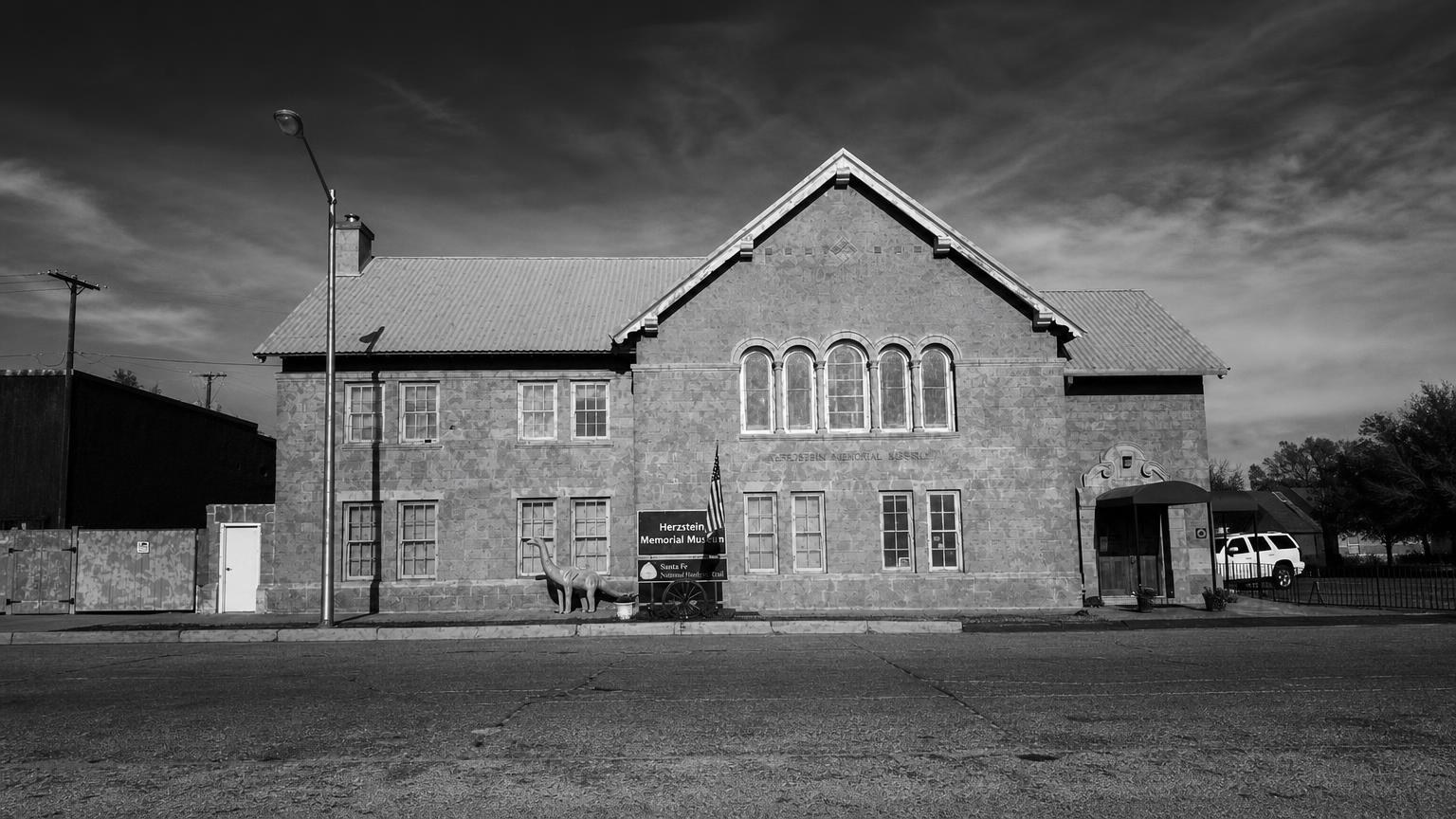
Herzstein Memorial Museum in Clayton preserves Union County history in a former Methodist church. Its building, museum development and Herzstein name have separate histories. The earlier account's claims of moving objects and disembodied voices were not accompanied by identified witnesses or original recordings.
Before the Museum, There Was a Church
Clayton's municipal redevelopment planning material dates the building to 1919 and describes its use by a Methodist Episcopal congregation. The Union County Historical Society acquired it in 1972.
Those dates explain the transition from a place of worship to a museum. They do not establish that objects or former congregants caused later unusual experiences.
How the Herzstein Name Became Part of the Museum
The museum's own history describes Al Herzstein learning about the struggling museum through a local newspaper, then supporting repairs and donating items. It places the Herzstein naming in 1987 and explains his wish to honor his father, Morris.
The institution's present name therefore should not be projected backward onto every stage of the building's life.
What the Museum Actually Preserves
The museum describes objects, memories and stories from the region, including a Herzstein room and Works Progress Administration material. These collections provide a basis for local historical interpretation.
An artifact's age is not evidence of a haunting. A claim that an object moved would require knowing its recorded placement, handling and who had access.
Where the Paranormal Reports Enter the Story
The earlier account asserted frequent staff and visitor experiences but named no staff member, visitor or investigation team. It offered no dates or original evidence for the reported voices and cold areas.
These remain unverified claims; the museum histories do not establish paranormal findings.
The Museum Beyond the Ghost Stories
Use the museum's current visitor information for access and tours. Historic interpretation and a ghost investigation are different activities; one does not authorize the other.
For another museum whose former building use can be confused with paranormal evidence, explore Opelousas Museum.
What might an object’s collection and handling history at the Herzstein Museum reveal that a story about it moving leaves out?