
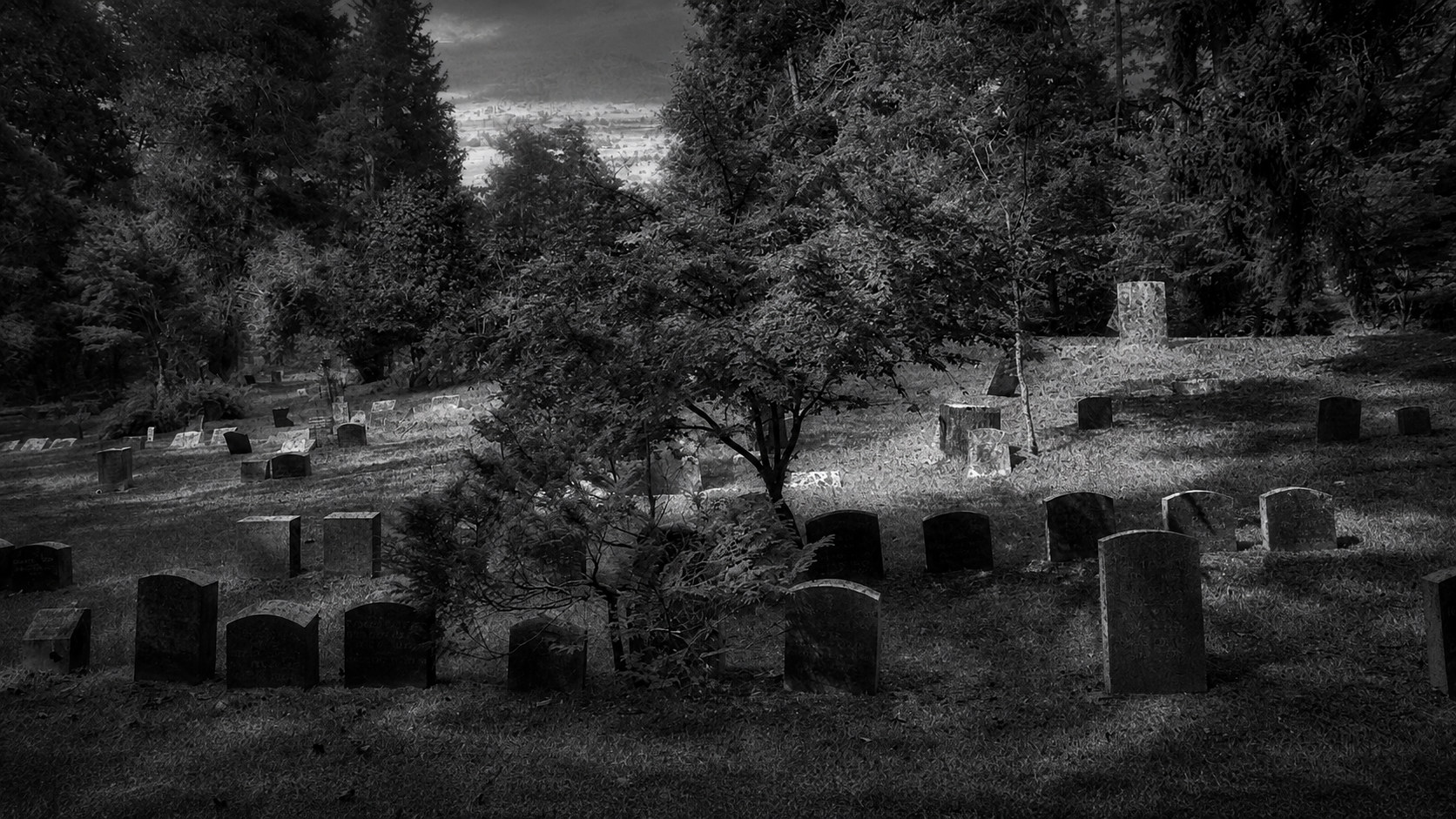
Sleepy Hollow Cemetery ghost stories draw on the atmosphere of a real New York burial ground and the region’s literary associations. Washington Irving is buried there, but a connection with the author does not make the Headless Horseman a documented apparition. Literature, cemetery history and alleged encounters are different kinds of material.
The cemetery and its historical context
The cemetery’s official introduction describes the institution and its setting. Its famous interments guide identifies Washington Irving among the people buried there. These records give a visitor verifiable names and places to begin with.
A burial record establishes a person’s connection with the cemetery. It does not confirm stories about that person appearing after death. Similarly, a literary association explains why a place attracts readers and storytellers without proving that a fictional event happened there.
Irving’s legend is not a witness statement
The Headless Horseman belongs to the imaginative world associated with Irving’s story. Retellings, seasonal imagery and local ghost narratives can blend that fiction with the physical landscape. Readers should keep the distinction visible rather than using a familiar character as evidence for a modern sighting.
The same care applies when a story names a churchyard, bridge or cemetery. A regional association does not establish the exact location of an alleged event. Check the place named by the source instead of assuming that every Sleepy Hollow story describes the same grounds.
Lights, Figures and the Limits of a Cemetery Sighting
Reports associated with cemeteries often describe movement, unfamiliar sounds or shapes noticed in low light. An account should specify what the witness actually observed before assigning a supernatural identity. Without a traceable account or original recording, a dramatic retelling offers little basis for independent assessment.
A photograph also needs context: time, viewpoint, light and the surrounding scene matter. The appearance of a shape is not enough to establish what caused it. An illustration accompanying a story is a separate editorial choice and should never be mistaken for encounter evidence.
Sleepy Hollow Cemetery can be appreciated for its history, landscape and literary resonance while its ghost stories remain unverified. Consult the cemetery’s own resources for access information and respect its role as a burial ground. Find more regional stories in our New York archive.
Where do you notice Irving’s fiction shaping expectations of Sleepy Hollow Cemetery, and what would help you separate that influence from a witness’s observation?