
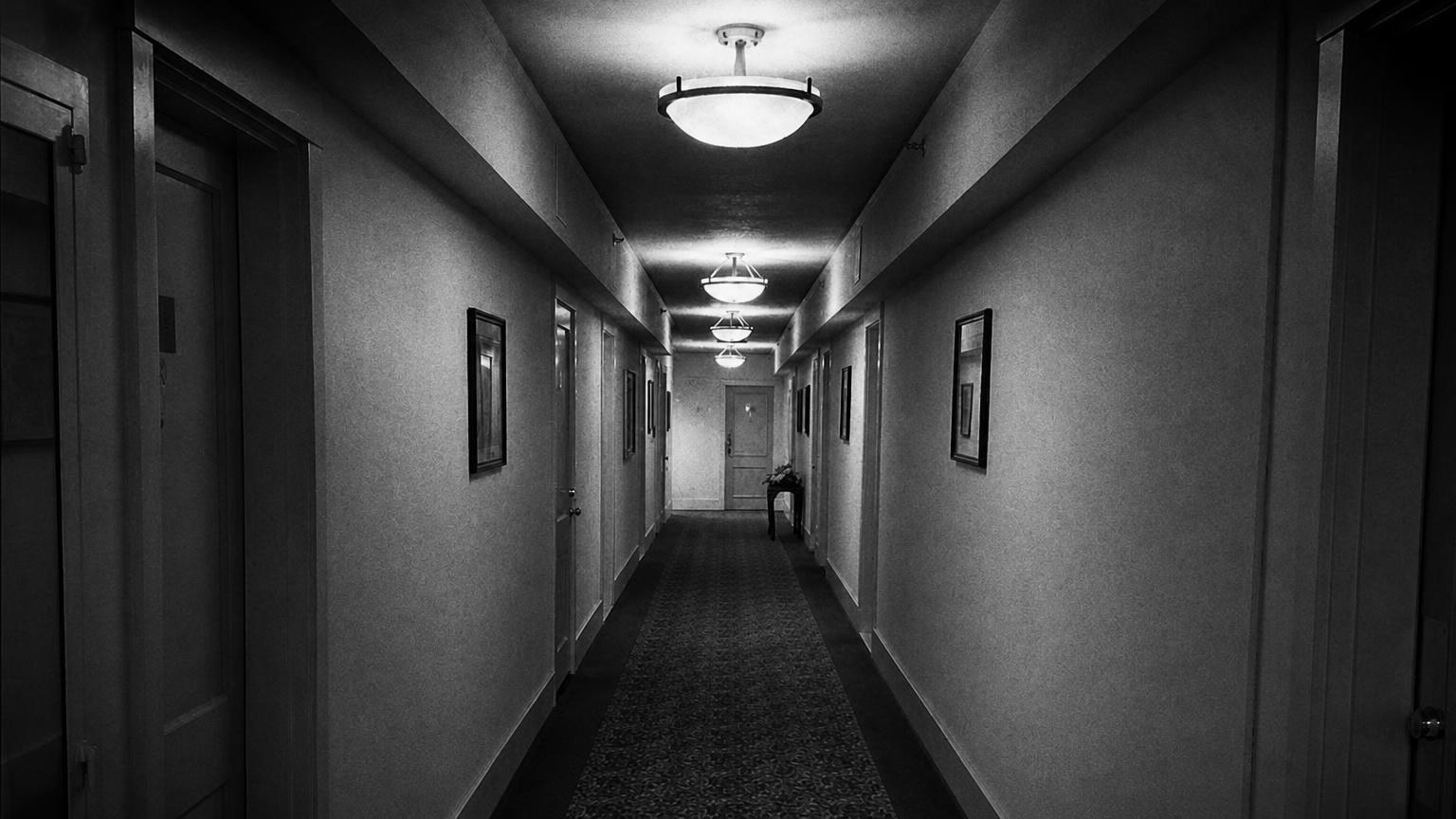
The Historic Anchorage Hotel's ghost reputation includes stories collected by the hotel itself. Its history begins in 1916, while the surviving hotel building originated as a 1936 annex. These documented dates should be separated from guest reports of unexplained experiences.
The Building That Survived — and the One That Didn't
The hotel's history page distinguishes the original hotel from its later annex and describes the connection between them. Calling every part of the present property a 1916 building would blur that chronology.
The distinction also matters when discussing a claimed encounter. A story needs a specific location and date before it can be connected to the building's earlier occupants or changes.
The Hotel's Own Ghost Log
The hotel describes a guest log of unusual experiences and relates a story associated with police chief John J. “Black Jack” Sturgus, who was killed near the hotel in 1921. The historical death and the later idea of a returning spirit are separate propositions.
A guest log can preserve testimony about what someone believed they experienced. It does not, by itself, rule out ordinary explanations or establish the identity of an apparition.
Room 202 and the Phantom Bride Story
The earlier account presented Room 202 and a bride who died after being abandoned as central parts of the haunting. It did not supply a dated incident, identified witness or record substantiating that detailed biography.
Those claims should not be converted into facts about a real person's death. Repetition across ghost stories is not the same as an independently documented event.
How an Unexplained Experience Should Be Tested
For a reported sound, light or moving object, record the time, room and immediate circumstances. Building services, nearby guests and lighting can affect what an observer perceives. An unexplained impression remains an impression until more evidence is available.
What a Haunted Reputation Means for Guests
Consult the hotel's official information for current accommodation details. Respect occupied rooms and staff instructions; a haunted reputation does not make private areas investigation spaces.
The attraction here is the overlap of an identifiable building history and attributed storytelling. Compare that relationship with the French Lick Springs Hotel article.
How might separating Anchorage’s 1916 hotel from its surviving 1936 annex change where you place a guest’s reported experience?