
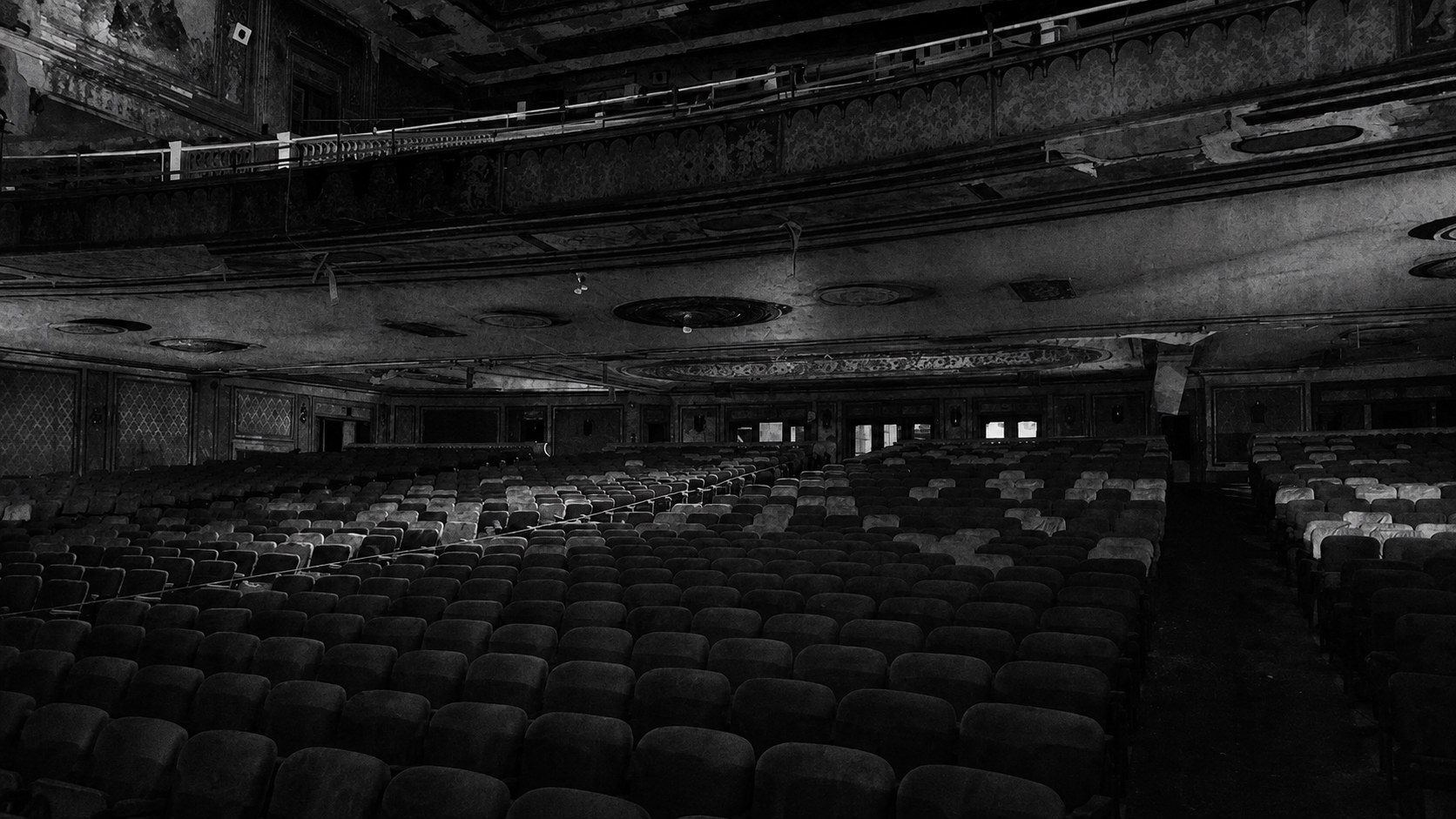
The Palace Theater in Bridgeport, Connecticut, has two things working against accurate ghost-story retellings: it shares a familiar theater name with other venues, and historic theaters naturally attract stories about footsteps, figures and performers who never quite left. The first job is therefore simple but essential — make sure the history and the haunting claims belong to the Bridgeport Palace rather than a different Palace Theater.
This Is Bridgeport's Palace, Not Waterbury's
The Bridgeport History Center documents the Palace and Majestic theaters as part of Bridgeport's entertainment history. Its account dates the Palace's opening to November 4, 1922, and describes Eddie Cantor appearing in a revue.
That gives the story a concrete city, date and venue. A history of Waterbury's Palace cannot establish what happened in a Bridgeport auditorium simply because the buildings share a name. The same caution applies to photographs, performer stories and paranormal anecdotes copied without location details.
Opening Night Gives the Theater a Real Human Scale
A theater becomes more interesting when its history is specific. The Bridgeport History Center's record places a named performer and a known opening date inside the building's entertainment story. Its historical exhibits also connect the theaters with the city's broader past.
That documented activity explains why the building can carry such a strong atmosphere. Thousands of performances, workers and patrons are more historically meaningful than a vague claim that “someone died here” added later to explain a shadow.
Footsteps and Figures Belong to the Folklore Layer
Theater ghost stories commonly describe footsteps, unexplained sounds and apparent figures in quiet spaces, and the Bridgeport Palace has similar reports attached to it. What those stories do not automatically provide is an identity.
A figure near a stage is not therefore a former performer. A sound from a backstage area is not therefore an employee returning after death. Those conclusions require a witness account with enough detail to understand what was observed and a separate historical source capable of making the proposed connection.
Haunted-Theater Motifs Can Travel Easily
Old theaters across the country accumulate remarkably similar stories: a lone figure in the balcony, footsteps when the house is empty, movement near a stage or the presence of a performer from another era. Similarity does not mean the witnesses are wrong, but it makes careful sourcing even more important.
Without a date, witness and exact location inside the theater, it becomes difficult to know whether a story belongs to this Palace, another venue with the same name or a familiar theatrical legend that has been retold locally.
Architecture Can Complicate What People Hear and See
Large auditoriums create long sight lines, dark recesses, reflective surfaces and acoustics that can make the source of a sound difficult to judge. That does not explain every report, but it is part of the environment an investigation should document before deciding an isolated noise or image is paranormal.
The same care applies to visuals used in articles. The featured monochrome rendering is editorial artwork based on a reference image, not a photograph captured during an investigation and not evidence that a paranormal event occurred.
Follow the Record, Then Follow the Claim
The Bridgeport History Center is the right starting point for the theater's documented past. A haunting claim needs its own trail: who experienced it, when, where in the building, what exactly happened and whether original media survives.
Keeping those tracks separate does not drain the mystery from the Palace. It gives readers a way to appreciate a real 1920s entertainment landmark while treating the ghost stories as unresolved reports rather than biographies written backward from an apparition.
Confirm current access with the responsible operator or owner; a historical description is not permission to enter. Explore related locations through our Connecticut archive.
What details would help establish that a Palace Theater ghost account belongs to Bridgeport rather than another venue with the same name?