
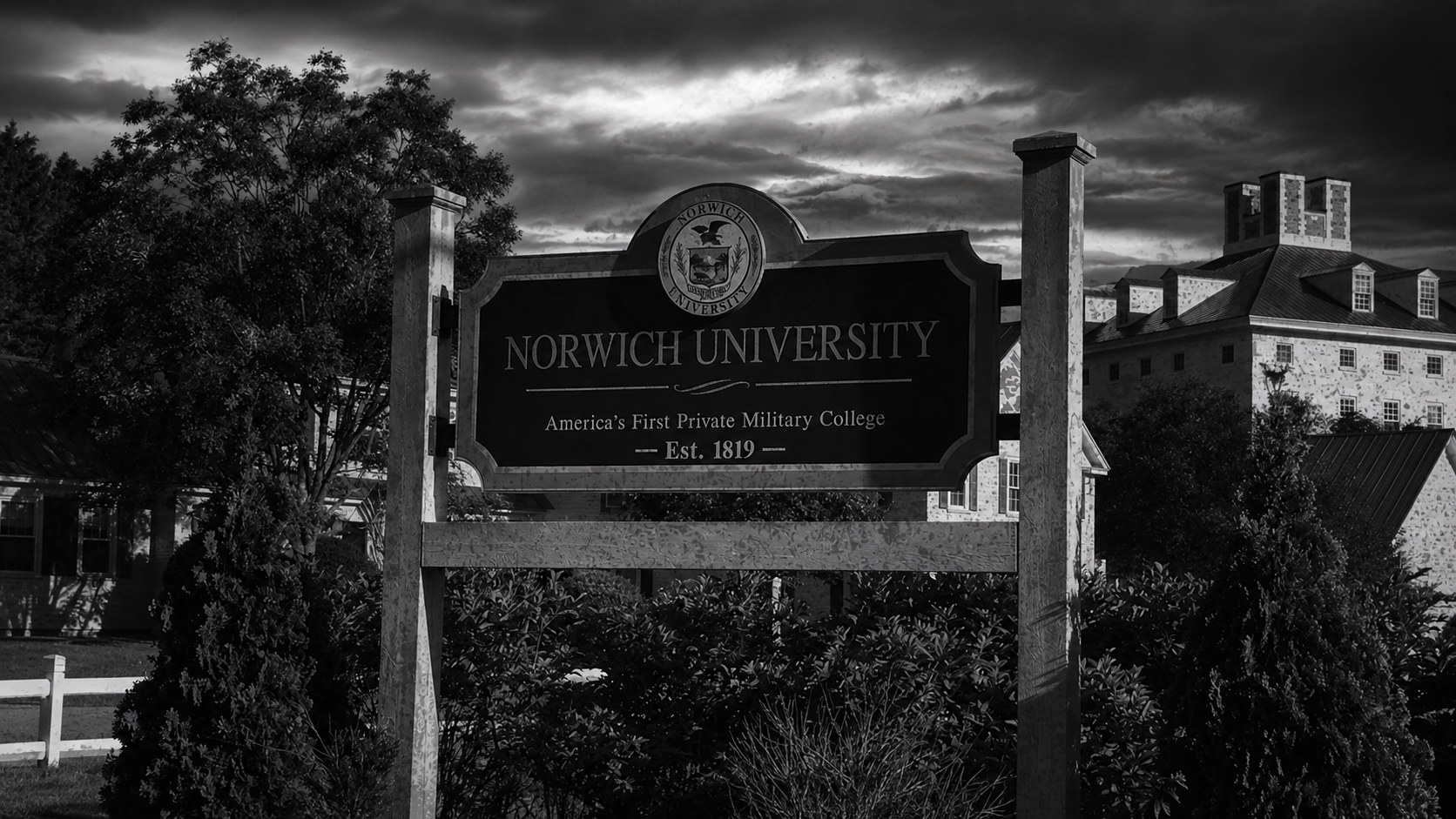
Norwich University ghost stories concern a real university in Northfield, Vermont. The institution began in Norwich, but its present campus is in Northfield. That geographic distinction is essential when matching a haunting story to a building, date or historical event.
Norwich and Northfield are different chapters
The university’s history traces its founding to Alden Partridge in 1819. The institution’s military and civilian educational traditions provide the setting for generations of campus experiences and stories. A university’s name, however, does not tell a visitor where every chapter of that history took place.
University alumni material describes the move to Northfield in 1866 following a fire. A claim about an early Norwich building should therefore not be attached to a later Northfield campus structure without additional evidence. The same care applies to photographs used to illustrate those stories.
Campus lore and documented events
Accounts of footsteps, unexplained sounds and apparent figures fit the university’s haunted reputation. They should be treated as campus lore or witness reports unless a specific account supplies verifiable details. Repetition across websites does not turn a story into an independently documented event.
The most useful questions are concrete: Which building? Which floor? When did the alleged encounter happen? Was the person named in the story actually connected with that place? An institutional history can answer some background questions while leaving the paranormal interpretation unresolved.
What Would Strengthen a Norwich Report
A first-person account, an original recording and a clear description of the conditions would allow a more careful assessment than an anonymous retelling. Unexplained sounds in an occupied building require ordinary possibilities to remain open, including other occupants and building systems. A recording’s ambiguity should remain visible in the description.
There is also a difference between a memorable campus tradition and a claim of physical evidence. The former can tell us how students relate to a place; the latter needs a much more specific record. Neither should be embellished with an invented death or an unsupported biography.
Norwich’s history gives its folklore context without proving its ghost stories. Use the university’s own records to establish the setting, then evaluate each alleged encounter on its own evidence. Continue exploring the region through our Vermont archive.
What might a Norwich campus tradition tell us about student life even when its claimed encounter cannot be independently checked?