
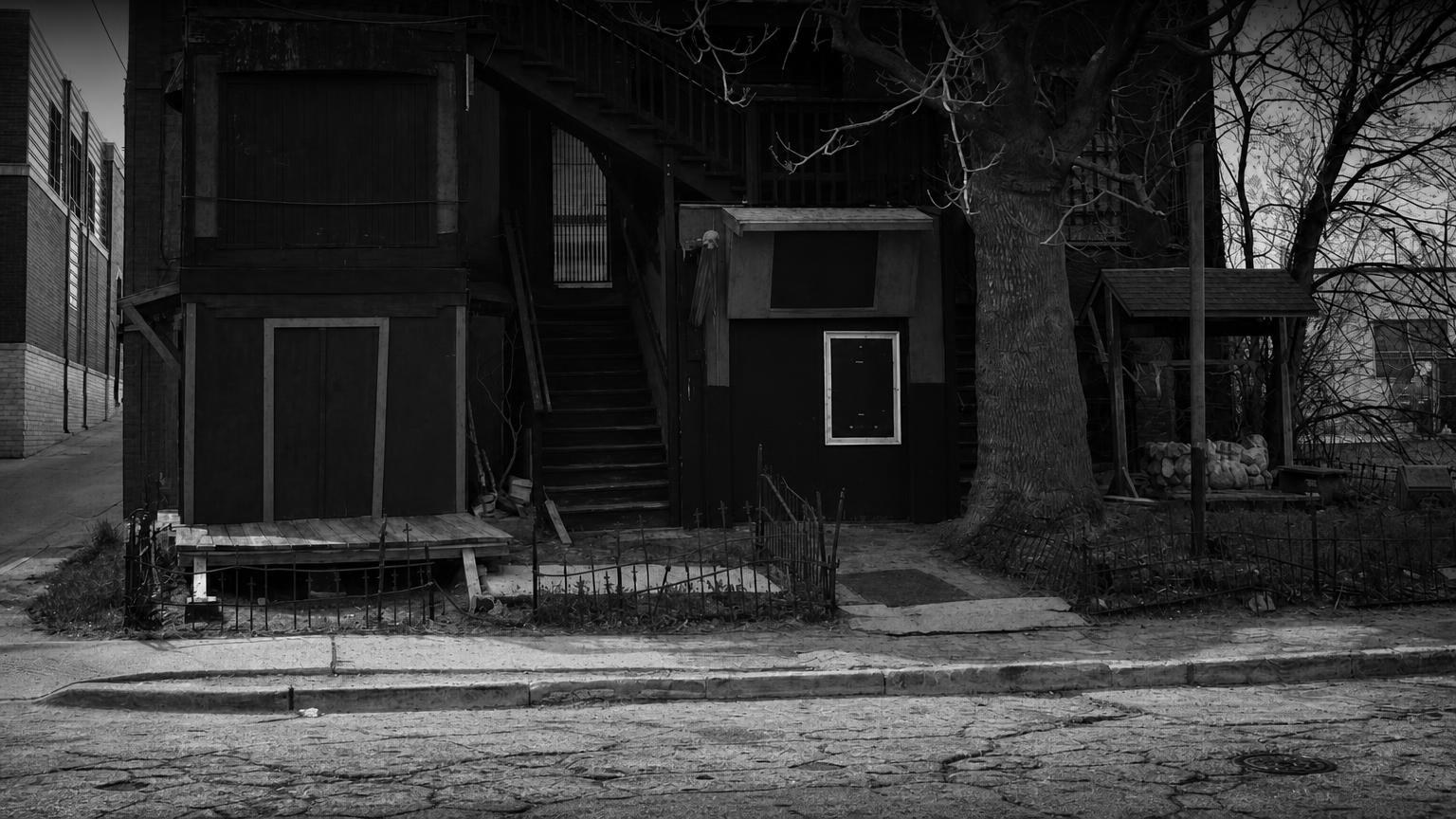
Mystery Manor in Omaha was a theatrical haunted attraction in an old house at 18th and Burt streets. The building has been demolished. Its staged murder story should not be presented as a verified crime, and older descriptions of seasonal admission are no longer current visitor guidance.
A Haunted House Built Around Performance
An Omaha Magazine feature describes owner Wayne Sealy performing the tale of William and Greta Hall. Actors, lighting, sound and mechanical effects carried visitors through the attraction. The article distinguishes those fictional characters from separate claims made by staff.
That distinction matters because a frightening performance can be remembered later as local history. The earlier account's story about William Lauer and his wife did not include records connecting that biography to this house. That biography remains unverified.
What Did Staff Actually Report?
In the magazine interview, manager Mark Sealy described finding toys and lost items on a staircase and attributed the incidents to a ghost. This is an identifiable, attributed report. It does not establish how the objects moved.
The same interview includes a claim about an earlier murder at the property, but it does not reproduce the supporting record. Without that record, naming a victim or converting the claim into a detailed crime narrative would go beyond the evidence reviewed here.
Can You Still Visit Mystery Manor?
No visit to the former attraction can be planned from its old promotional material. Big A Demolition's project account confirms that the mansion was demolished after the business closed and identifies Creighton University as the landowner.
Historic images therefore show a former building. They should not imply that the original attraction survives or that the property is open for exploration.
Why Preserve the Story?
Mystery Manor belongs in an archive of Omaha's horror entertainment and local ghost lore. Its documented performances, staff recollections and vanished building are different kinds of history. Keeping their sources visible makes the story more useful than treating every scare as an unexplained event.
Compare its staged setting with the documented civic history in the Old Minnehaha Courthouse article.
What is worth preserving about Mystery Manor’s performances and staff memories now that the Omaha house is gone?