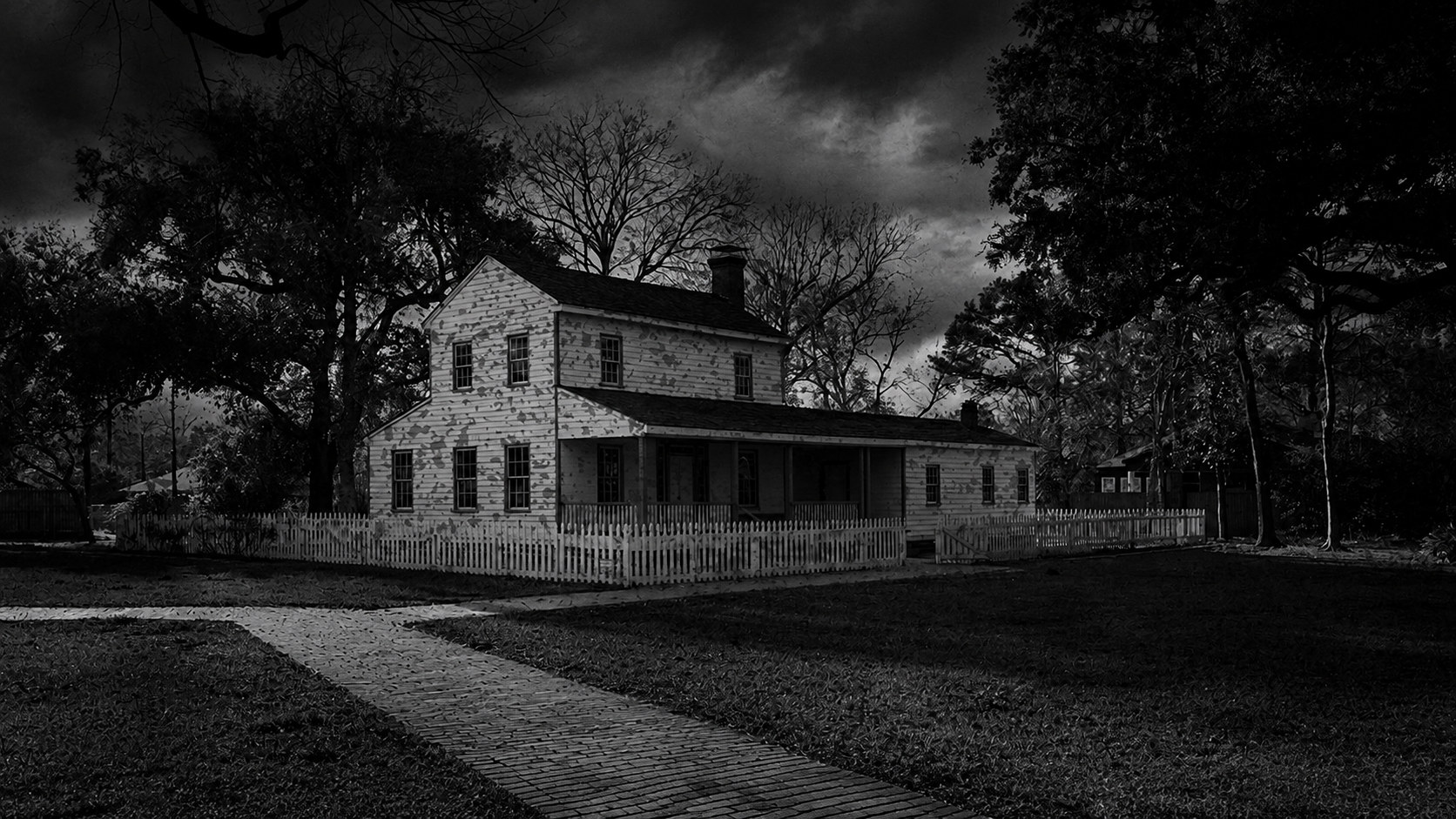
At the John Jay French Museum in Beaumont, Texas, documented history and ghost lore offer different ways of reading the same place. The house has a documented identity. The reports of sounds, movement and possible spirit communication are observations and interpretations that need to stay attributed.
John Jay French Museum: Where Beaumont History Meets Ghost Lore
The Beaumont Heritage Society identifies the museum with the French family's 1845 home, and its museum study guide provides context for the family, household and historic setting.
That documented history gives the paranormal stories a real place and timeline. It should not be stretched into evidence that a particular family member is responsible for a later unexplained sound, shadow or device response.
Inside the French Family's 1845 Home
The older Paranormal Unknown article leaned into the house's age, furnishings and connection to early Beaumont. Those are useful elements because they make this story specific to the French House rather than to a generic "haunted mansion."
Rooms, outbuildings and family history should stay tied to museum records or clearly attributed tour commentary. That same rule applies visually: the property should be represented as the actual John Jay French Museum, not a substitute house chosen only because it looks spooky.
Shadow Figures, Sounds and Stories From the House
Accounts associated with the French House include reported sounds, apparent movement, feelings of unease and equipment reactions. The older archive also repeated stories about shadowy figures and cold spots. These are the details that make the paranormal side of the article interesting, but they remain reported experiences.
Connecting one of those reports to John Jay French or another named family member would require more evidence than the age of the house or the location of the experience. A meaningful family story can remain part of the museum's lore without every dramatic detail being independently established.
Ghost Texas Steps Inside
Ghost Texas adds another layer because its coverage gives readers an investigation to watch alongside the museum's history. That is valuable source material, but it is a record of what the team observed, asked and interpreted rather than a final verdict that the house is haunted.
A voice-like fragment is not automatically an identified speaker. A door found open does not, on its own, document how it moved. Device responses can be interesting without being treated as proof of who or what caused them. Keeping those distinctions visible makes the investigation stronger editorially because the reader can follow the mystery without being told what conclusion to reach.
The Grounds: Where More of the Stories Gather
The reconstructed tannery, blacksmith shop and French family cemetery widen the story beyond a single room in the house, adding historical context to the setting of the reported experiences.
The same evidence rule still applies outdoors. A cemetery can carry family history and local legend at the same time. An uneasy feeling or unusual sound can be reported honestly without turning it into a confirmed encounter.
History First, Haunting Second
The strongest way to experience the John Jay French Museum story is to begin with what the museum can document, then layer the witness reports and Ghost Texas investigation on top of that foundation. The history tells us where we are. The paranormal material tells us what people say they experienced there.
Use the Ghost Texas creator profile to find available Paranormal Unknown coverage, browse the video archive, or explore more stories in the Texas archive. The mystery stays intact without asking the history to prove the haunting.
How might comparing a Ghost Texas observation with the John Jay French Museum’s documented room or outbuilding history change your interpretation?