
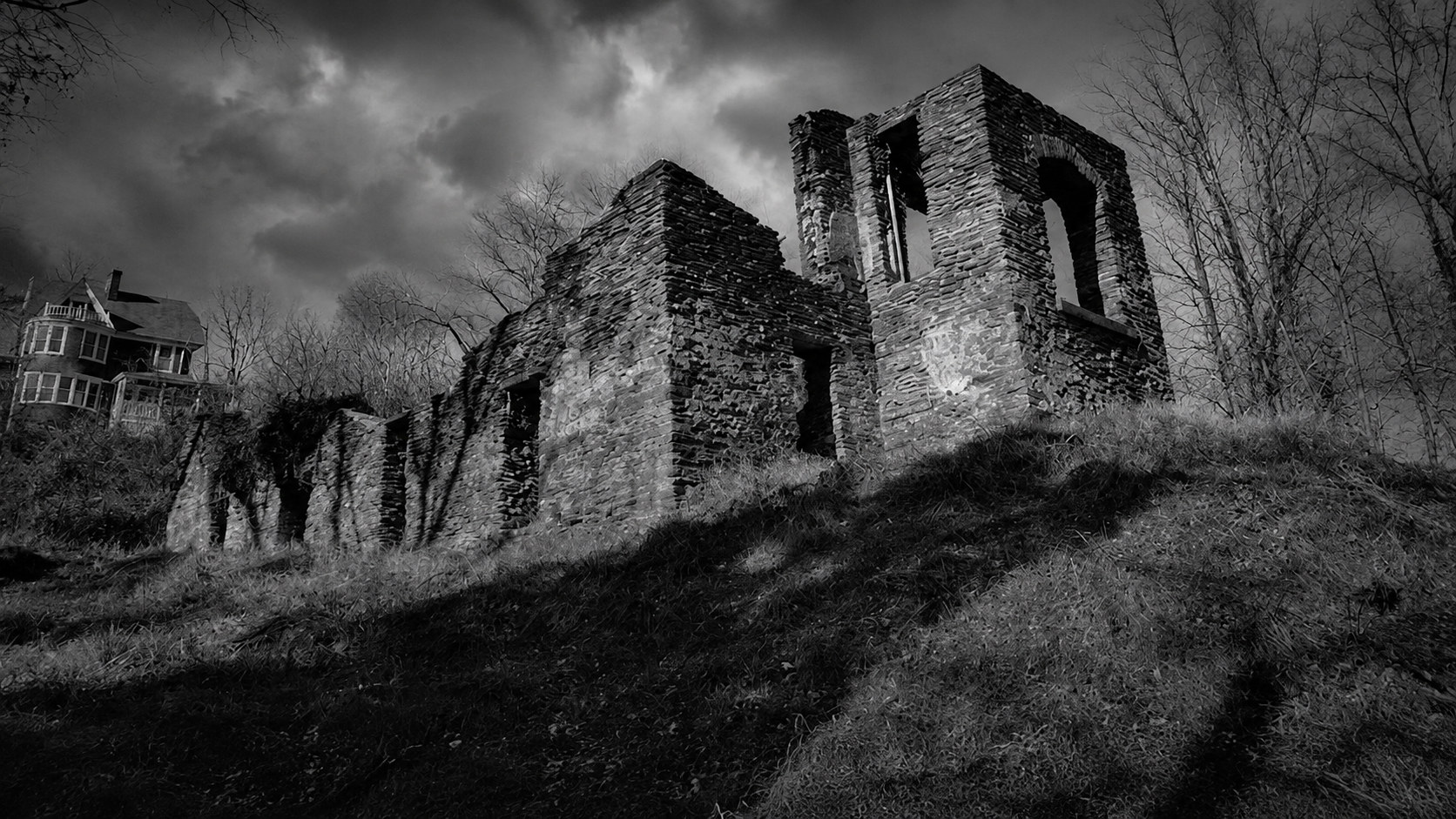
Haunted Harpers Ferry sits at the intersection of two very different kinds of story: a nationally important past that can be documented, and a haunted reputation built from generations of reports, legends and retellings. John Brown's raid and the Civil War are history. Apparitions, footsteps, cold spots and vanishing figures belong to the folklore unless a specific account can be independently supported.
Harpers Ferry: Where History and Haunting Collide
Harpers Ferry stands where the Potomac and Shenandoah rivers meet, and the National Park Service's historical stories cover the industry, conflict, transportation and people that shaped the town. That history gives the ghost stories their setting, but it does not prove the supernatural claims attached to it.
John Brown's 1859 raid is central to the town's national significance. The structure now known as John Brown's Fort was an armory fire-engine and guard house where Brown and members of his party took refuge. The National Park Service's account of the fort also traces the structure's later relocations, which matters when modern stories are tied to a specific spot.
John Brown's Fort: Ghost Stories Around a Bloody Past
The older Paranormal Unknown archive connected the fort with reports of soldier-like apparitions, distant gunfire and sudden cold spots. Those details are part of the site's haunted reputation, not verified identifications of people who died there.
That distinction makes the story more interesting, not less. The fort has a documented and dramatic history. The paranormal question begins only after the historical record ends: who reported an experience, when did it happen, and what evidence survives beyond the retelling?
St. Peter's Church and the Legends That Follow It
St. Peter's Roman Catholic Church is another landmark that has accumulated ghost stories. The earlier account associated the church with shadowy figures and faint whispers. Those claims should remain exactly what they are: reported experiences from the site's folklore, not proof that a particular historical person is haunting the building.
A compelling setting can make a story feel convincing. It cannot, by itself, identify the cause of a sound, shadow or sensation.
The Harper House and High Street: Footsteps, Figures and a Feeling of Being Watched
The archive also tied the Harper House and High Street to stories of footsteps, doors apparently moving, figures in period clothing and the feeling of being watched. These are the kinds of details that give Harpers Ferry's haunted reputation its personality, and they are worth preserving as folklore.
They are also a good example of why the wording matters. A report of a figure dressed like a Civil War soldier is not the same thing as evidence that a Civil War soldier appeared. The observation and the interpretation should stay separate.
Cemetery Lights and the Vanishing Figure at the Station
Stories around the cemetery include strange lights, unexplained sounds and figures among the graves. The train station has its own tale: a man in old-fashioned clothing who supposedly appears on the platform and vanishes. These are some of the more memorable pieces of the older article because they give each location its own mystery.
They remain stories unless a dated witness account, recording or other evidence allows the event to be examined. The atmosphere of Harpers Ferry may help explain why these accounts endure, but it does not settle what caused them.
History, Folklore or Something Else?
The best way to explore Haunted Harpers Ferry is to keep both sides visible. Start with the documented history, then compare a ghost tour or witness story with the relevant building and location records. Ask what was actually observed before deciding what it means.
That approach keeps the mystery without turning uncertainty into certainty. Harpers Ferry does not need proven ghosts to be fascinating; its history and folklore already give the town more than enough to investigate. Explore more regional coverage on our West Virginia page.
Which Harpers Ferry landmark would you choose to compare across historical records and a ghost-tour account, and what differences would you look for?