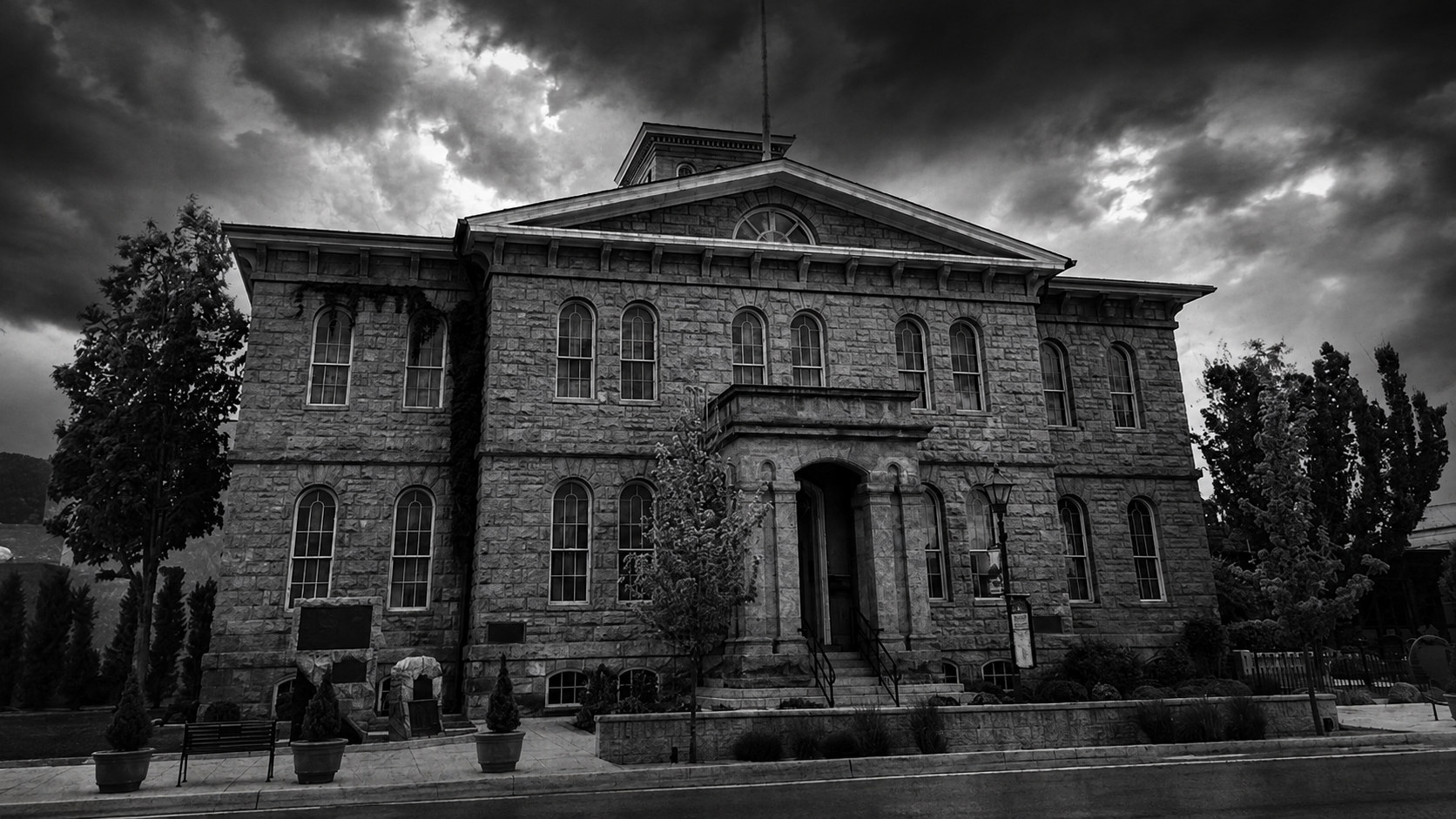
The Carson City Mint is a place where tangible history is everywhere. The building, its coin press and the gold and silver coinage produced there connect directly with Nevada's mining economy. Ghost stories add another layer — unexplained sounds, sensed presences and identities sometimes attached to people from the mint's past. The challenge is not deciding which story is more interesting. It is keeping the physical record of the mint separate from interpretations of later experiences.
Coin Press No. 1 Started Striking Silver Dollars in 1870
The Nevada State Museum's history describes the mint's relationship with the region's precious-metal economy and records Coin Press No. 1 striking its first silver dollars on February 4, 1870. The mint produced both gold and silver coins.
Those details give the building a direct connection with the economic history of the American West. Visitors do not have to imagine what happened here in broad terms; surviving machinery and the coinage record provide material evidence of the work once done inside.
The Mint Did Not Operate Continuously Until 1893
The United States Mint's account explains that production was interrupted and later resumed in 1889 before coinage ended in 1893. Simply saying the mint operated “from 1870 to 1893” can make the history sound continuous when it was not.
That kind of timeline precision may seem unrelated to ghosts, but it is exactly what prevents a later paranormal story from being attached to the wrong operational period or historical figure.
The Museum Keeps the Working History Visible
Today, the Nevada State Museum's permanent exhibits include the historic mint and Coin Press No. 1. Those objects help visitors understand the building through the work it performed rather than only through the personalities later associated with it.
A machine, coin or room can be strongly connected to a particular era without becoming paranormal evidence. Age and historical significance provide context, not a supernatural conclusion.
Where the Spirit Stories Enter
Reports associated with the mint include unexplained sounds and apparent presences. Some retellings connect those experiences with people known to have worked in or been associated with the building. That connection remains an interpretation unless the report contains evidence capable of identifying the person.
A historical record might confirm someone's employment. It cannot by itself demonstrate that a later sound is that person's voice or that a shadow represents their likeness. The witness observation and the historical biography have to be evaluated independently before they can responsibly be linked.
A Name Can Make an Apparition Feel More Certain Than It Is
Haunted-location stories often become more persuasive when a reported figure is given a recognizable name. The problem is that a name can be added after the fact because it matches the building's history, not because the witness actually identified anyone.
The safer approach is to work backward from the earliest account. What exactly did the observer see, hear or feel? When and where did it happen? Was the historical identity part of the original report, or was it attached later? That chronology can reveal whether the “spirit” and the person are actually connected by evidence.
The Mint's Mystery Works Better With the Record Intact
The Carson City Mint has a substantial story of government, mining, industry and regional identity. Its ghost stories do not need to replace that history, and the history does not need to be used as automatic proof of a haunting.
Original recordings, dated witness accounts and clear environmental conditions would be far more useful than a vivid summary without a traceable source. Until that level of documentation is available, the unexplained reports can remain part of the mint's folklore while the coinage story stays firmly grounded in the record.
Continue with more locations in our Nevada archive.
How might the Carson City Mint’s working machinery and industrial past inform the questions you ask about an unexplained sound there?